Curie Brief
Turn on cookies to sign in
Signing in saves your progress to your Curie account. We can only do that with cookies on — turn them on to continue.
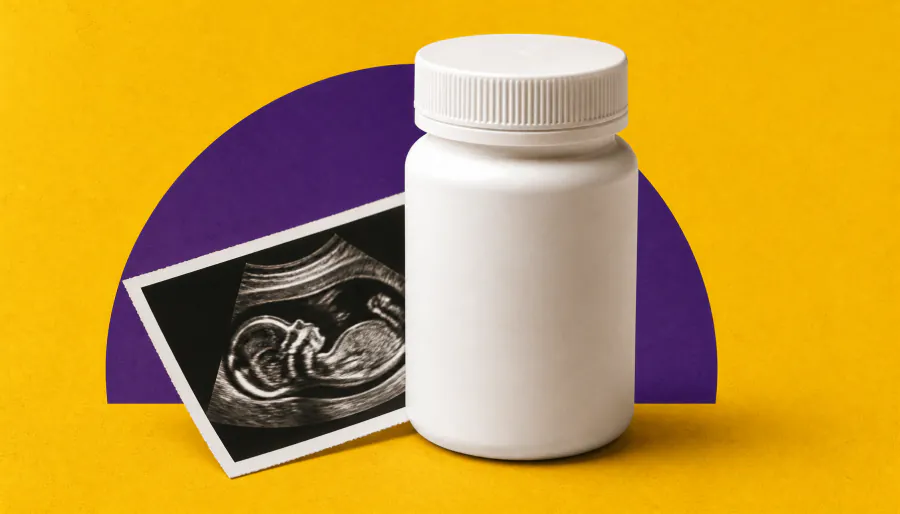
Taking antibiotics while pregnant appears to raise children's infection risk well into their early teens. A Danish study of 663 mother-child pairs found that prenatal antibiotic exposure was tied to significantly higher rates of pneumonia, fever, and gastrointestinal infections in kids up to age 13. The effect grew stronger with each additional antibiotic course taken during pregnancy.
A large prospective Danish cohort study has found that children born to mothers who took antibiotics during pregnancy face meaningfully higher rates of infections — from common colds and fevers to pneumonia — all the way through age 13. Published in The Journal of Allergy and Clinical Immunology, the study tracked 663 mother-child pairs and recorded over 10,700 infections in the first three years of life alone.
The association held across all trimesters and strengthened with each additional antibiotic course taken during pregnancy. Third-trimester exposure, in particular, was linked to nearly double the rate of total infections between ages 3 and 13. Researchers also found that changes in the newborn's blood metabolome — the chemical fingerprint of metabolism — may partly explain the link, though microbiome and immune marker analyses didn't yield statistically significant findings.
By the Numbers:
Why it matters: This study adds to growing evidence that prenatal antibiotic use has long-lasting effects on child health. For clinicians, it underscores the importance of weighing antibiotic benefits against potential downstream risks when treating pregnant patients.