Curie Brief
Turn on cookies to sign in
Signing in saves your progress to your Curie account. We can only do that with cookies on — turn them on to continue.
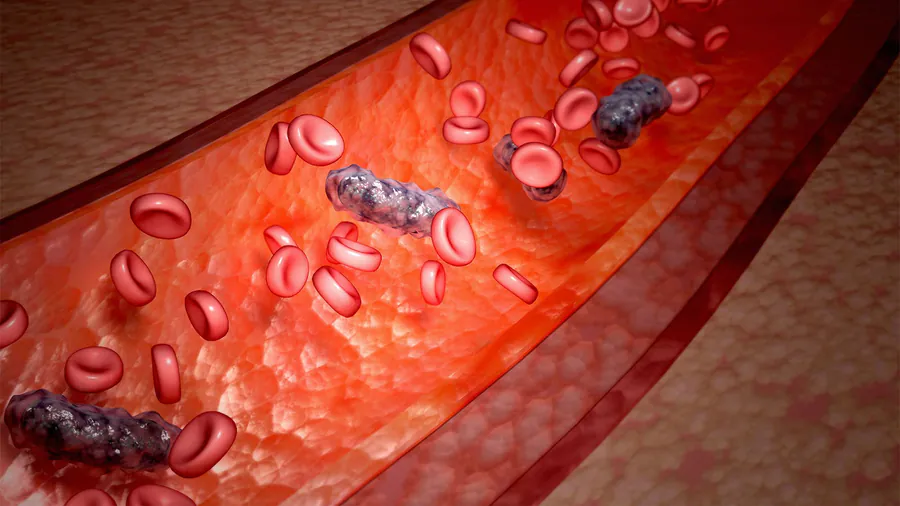
Sepsis in pregnancy is rare but deadly — especially in Mississippi. A new study found that while sepsis occurred in just 0.06% of hospital births, it was involved in 32.4% of delivery-associated deaths. Black women, Medicaid enrollees, and those with chronic conditions like hypertension and obesity faced the highest risk.
Sepsis during pregnancy is uncommon, but when it strikes, the consequences can be fatal. A new retrospective study published in JAMA Network Open analyzed nearly a decade of hospital birth data in Mississippi — a state with the third-highest maternal mortality rate in the U.S. — and found that sepsis was involved in 32.4% of all delivery-associated hospital deaths, despite occurring in only 0.06% of births.
The study identified clear patterns in who's most at risk. Black women, Medicaid recipients, mothers with preterm births or C-sections, and those with chronic conditions like hypertension, obesity, or diabetes were significantly more likely to develop sepsis. Researchers say tackling Mississippi's chronic disease burden — particularly obesity and hypertension among reproductive-age women — is the most impactful long-term strategy for reducing maternal sepsis rates.
By the Numbers:
Why it matters: Maternal infection is already the third-leading cause of pregnancy-related death nationally. This study underscores the urgent need for targeted prevention strategies — including early identification of high-risk patients, prompt infection treatment, and reducing preventable C-sections — to save lives.