Curie Brief
Turn on cookies to sign in
Signing in saves your progress to your Curie account. We can only do that with cookies on — turn them on to continue.
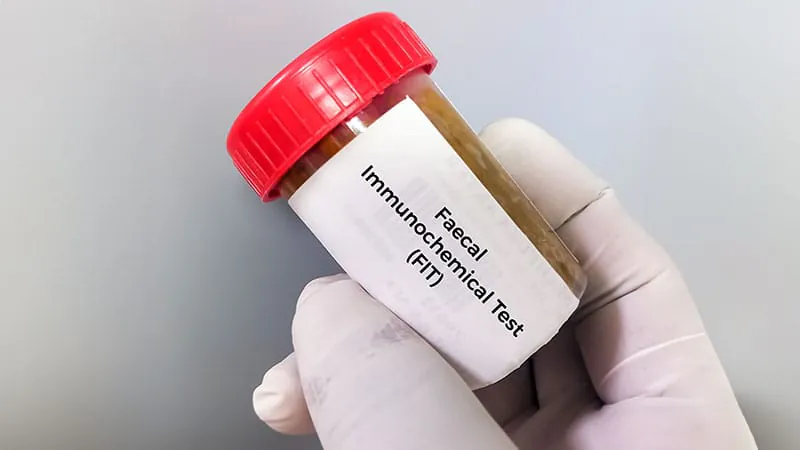
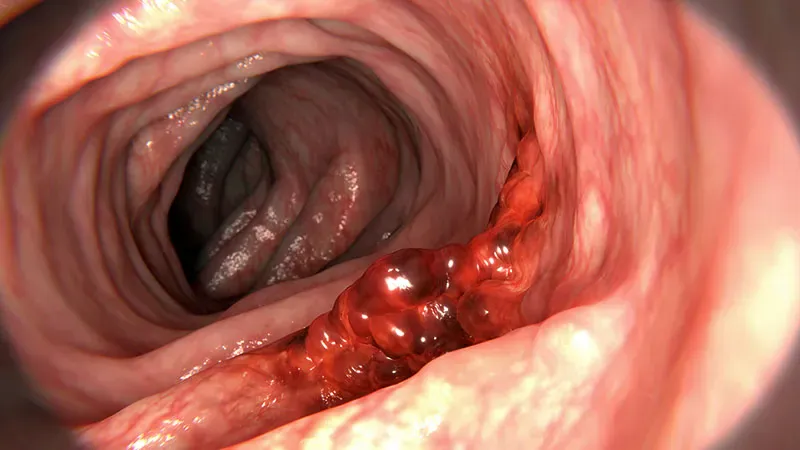
The gold-standard stool test for colorectal cancer may be letting women down. A large retrospective study found that fecal immunochemical testing (FIT) at its standard threshold detects significantly fewer colorectal cancers and precancerous lesions in women compared to men — raising questions about whether a one-size-fits-all cutoff is the right approach for screening.
The most widely used colorectal cancer (CRC) screening test worldwide may not be working equally well for everyone. A retrospective analysis of over 30,000 participants, presented at the American College of Gastroenterology annual meeting, found that fecal immunochemical testing (FIT) — at its standard positivity threshold of 100 ng/mL — is significantly less sensitive in women than in men for detecting both colorectal cancers and advanced precancerous lesions (APLs).
Researchers believe the gap may be partly explained by tumor location: women were more likely to have cancers and lesions in the proximal (right-side) colon, where FIT tends to perform worse. Male sex, smoking, obesity, larger lesion size, and distal tumor location were all independently linked to higher FIT sensitivity.
By the Numbers:
Why it matters: If FIT thresholds aren't adjusted for sex, a meaningful number of women may receive false reassurance from a negative test. Researchers say the right threshold will depend on the specific test used and the goals of the screening program — but the findings make a strong case for revisiting the current one-size-fits-all approach.