Curie Brief
Turn on cookies to sign in
Signing in saves your progress to your Curie account. We can only do that with cookies on — turn them on to continue.
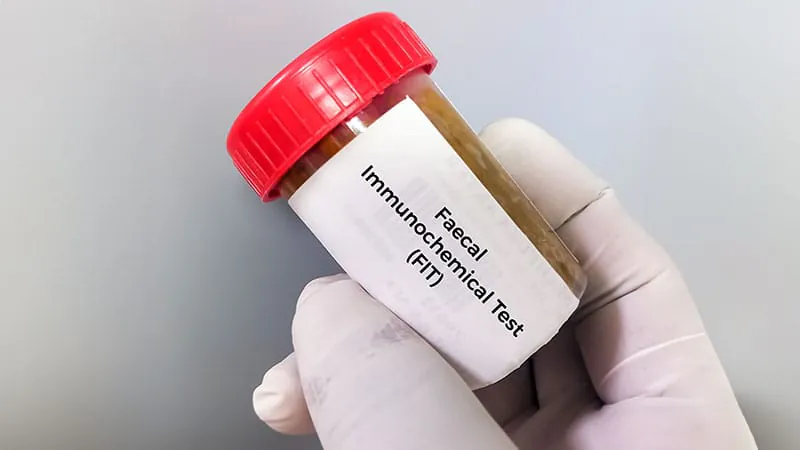
A 21-year population study from Spain's Basque Country found that a fecal immunochemical test (FIT) screening program was associated with a nearly 50% drop in colorectal cancer (CRC) mortality among adults aged 50–69. The decline became apparent just 3 years after the program launched and held steady even through the COVID pandemic. Experts say the real lesson is that organized, systematic screening — not just the test itself — drives results.
A sweeping 21-year study published in JAMA Network Open offers some of the strongest real-world evidence yet that organized colorectal cancer (CRC) screening saves lives. Researchers tracked CRC mortality trends in Spain's Basque Country from 2004 to 2024, following the rollout of a biennial fecal immunochemical test (FIT) program targeting adults aged 50–69. The results were striking: CRC-related deaths fell by nearly 50% in the 50–59 age group, with a significant turning point emerging just 3 years after screening began.
Crucially, the benefits persisted through demographic aging and the COVID-19 pandemic disruption — suggesting the program's impact was durable and robust. Over 70% of screen-detected cancers were caught at an early stage (I or II), pointing to earlier diagnosis as a key driver of the mortality reduction.
Key Takeaways:
Why it matters: With CRC incidence rising globally, this study reinforces that FIT screening works — but only when embedded in a well-organized system that tracks patients from test to follow-up. For health systems, the takeaway isn't just "do more FIT tests" — it's build the infrastructure to make sure no one falls through the cracks between a positive result and a follow-up colonoscopy.