Curie Brief
Turn on cookies to sign in
Signing in saves your progress to your Curie account. We can only do that with cookies on — turn them on to continue.

Nearly 1 in 5 newly prescribed type 2 diabetes patients stops their medication within just 3 months, and new research suggests demographics alone can't predict who'll quit. Side effects, cost, and comorbidities are the real drivers — and a more personalized, patient-centered conversation may be the best prescription of all.
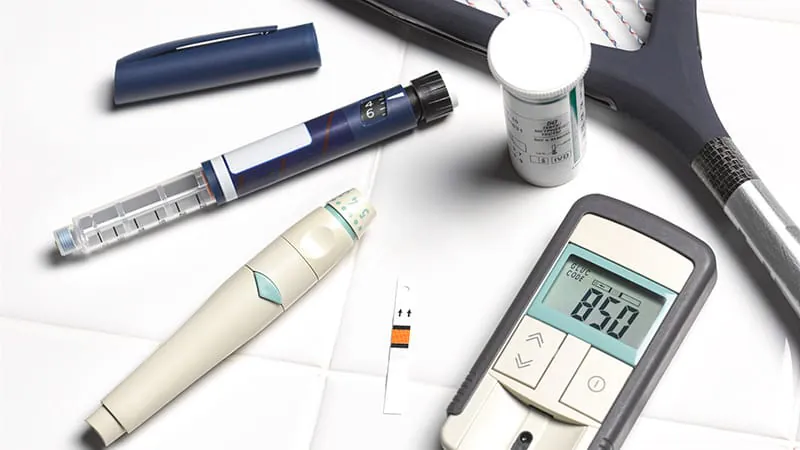
Managing type 2 diabetes medications is a daily tightrope walk for primary care physicians. Between side effects like GI upset from metformin, UTIs from SGLT2 inhibitors, and an ever-growing list of drug interactions as patients accumulate comorbidities, keeping patients on their prescribed regimens is a serious challenge — and new research is working to bring more science to the decision-making process.
A large UK-based study (MASTERMIND Consortium) of over 135,000 patients found that nearly 1 in 5 discontinued a newly prescribed diabetes medication within 3 months. Attempts to predict who would quit based on demographics largely fell flat — income and smoking status weren't predictive, and while certain ethnic groups were more likely to discontinue thiazolidinediones, the model overall underperformed. Women were more likely than men to discontinue across all five drug classes. Experts say the real focus should be on drug-specific side effects, cardiometabolic benefits, cost, and comorbidities — backed by honest patient conversations.
By the Numbers:
Why it matters: Medication abandonment in diabetes is a major barrier to preventing serious long-term complications. As newer, more effective — and expensive — drug classes like GLP-1 RAs become standard of care, understanding and addressing why patients stop taking them is critical to closing the gap between prescribing and real-world outcomes.