Curie Brief
Turn on cookies to sign in
Signing in saves your progress to your Curie account. We can only do that with cookies on — turn them on to continue.
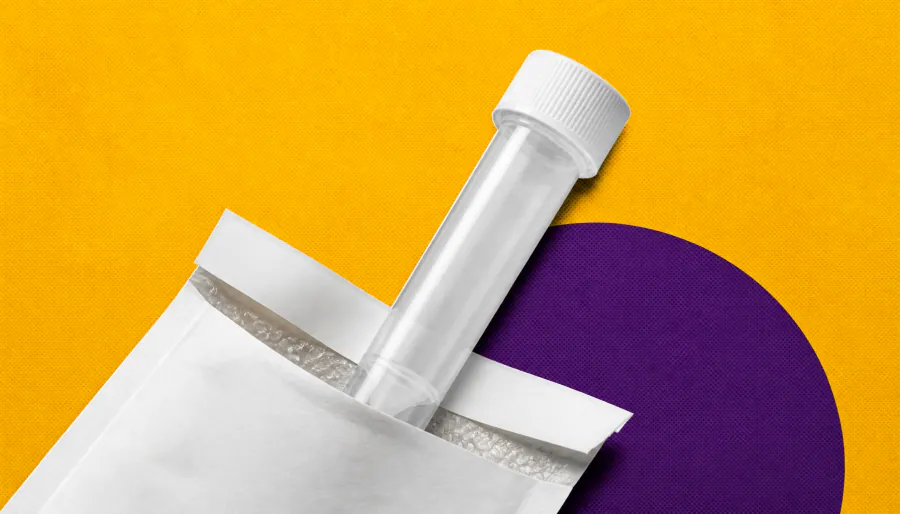
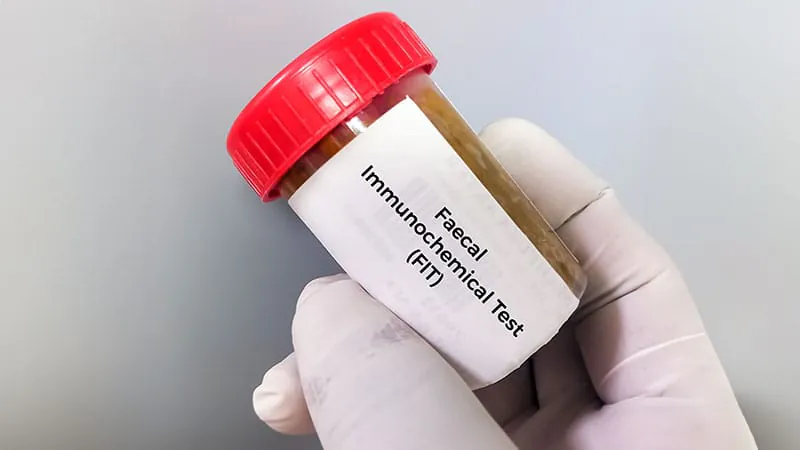
A simple mailed outreach program nearly doubled colonoscopy follow-up rates among underserved New Yorkers. A 5-year RCT found that sending FIT kits with reminders and patient navigation boosted overall CRC screening completion from 23% to 36%, and pushed diagnostic colonoscopy completion after a positive FIT from 54% to 92%. The results held even for newly eligible adults aged 45–49.
A large randomized clinical trial presented at the 2026 American College of Gastroenterology (ACG) Meeting in Nashville found that a structured mailed outreach program dramatically improved colorectal cancer (CRC) screening rates among medically underserved adults in Brooklyn, New York. The 5-year study enrolled 2,007 patients aged 45–75 across five federally qualified health centers (FQHCs), randomly assigning them to either a mailed FIT kit intervention (with prenotification letters, automated reminders, and a recall letter) or usual care.
The results were striking — and especially encouraging for the newly eligible 45–49 age group, which saw a comparable ~11 percentage point boost in screening completion. Researchers also found that unemployment was a key barrier to screening even after controlling for insurance status, pointing to deeper social determinants of health at play. Patient navigators who spoke participants' languages were credited as the primary driver of colonoscopy follow-through.
Why it matters: With CRC screening now recommended starting at age 45, scalable outreach strategies are urgently needed — especially in underserved communities where screening gaps are widest. This trial shows that mailing FIT kits combined with culturally concordant patient navigation can close those gaps significantly, and participating FQHCs plan to sustain the model using Medicaid and state funding.