Curie Brief
Turn on cookies to sign in
Signing in saves your progress to your Curie account. We can only do that with cookies on — turn them on to continue.
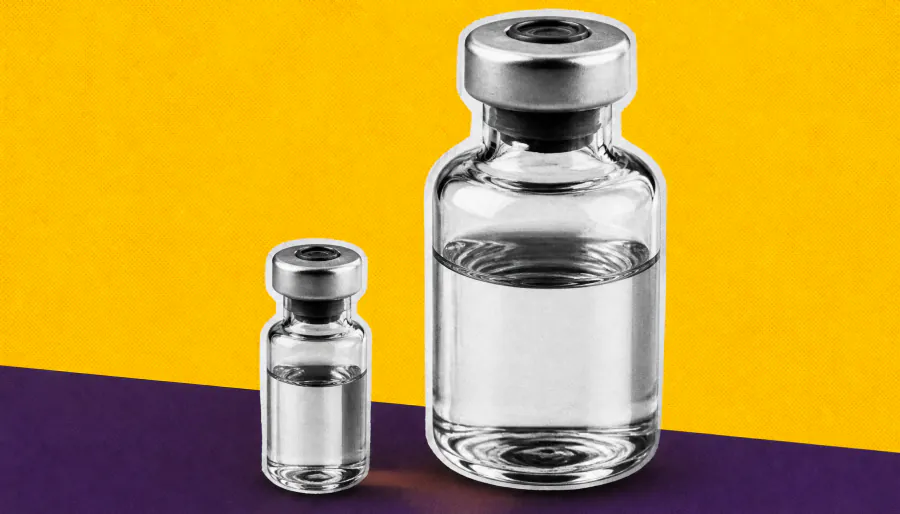
Two doses of the hepatitis B vaccine HepB-CpG may fall short for people with HIV who didn't respond to their initial vaccination series. A pooled meta-analysis presented at the ACG Annual Scientific Meeting found no statistically significant superiority of the two-dose HepB-CpG regimen over three doses of older aluminum-based vaccines, suggesting a third dose may be needed for durable, high-level protection.
For people with HIV who didn't respond to a prior hepatitis B vaccination series, two doses of the newer HepB-CpG (Heplisav-B) vaccine may not be enough. A pooled meta-analysis presented at the ACG Annual Scientific Meeting found no statistically significant superiority of the two-dose HepB-CpG regimen over three doses of traditional aluminum-based vaccines — raising questions about whether current dosing guidance goes far enough for this vulnerable population.
Researchers analyzed data from 493 individuals (mean age 45; 46% white), split nearly evenly between those who received HepB-CpG and those who received aluminum-based vaccines. The pooled risk ratio of 1.35 (95% CI, 0.97–1.87) did not reach statistical significance, and heterogeneity was high. Subgroup analyses also flagged lower seroprotection rates in people with diabetes and smokers.
Key Takeaways:
Why it matters: People with HIV are already at higher risk for inadequate vaccine response due to immune dysfunction. This study signals that a one-size-fits-all two-dose approach may leave some patients unprotected — and that checking titers and tailoring dosing could be a simple but impactful clinical step.