Curie Brief
Turn on cookies to sign in
Signing in saves your progress to your Curie account. We can only do that with cookies on — turn them on to continue.
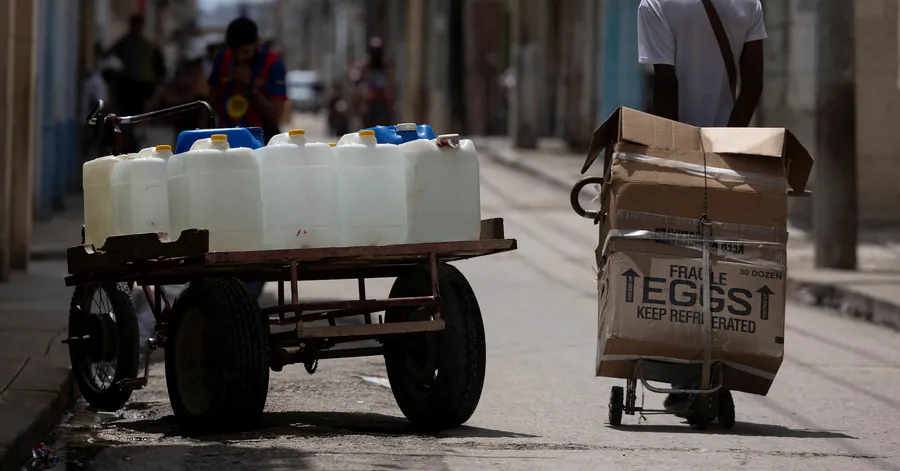
Havana is in the grip of a public health emergency as collapsing water and power infrastructure drives a surge in diarrheal illness and viral hepatitis. Around 3.5 million Cubans — nearly half the island's population — now face water shortages, with blackouts regularly exceeding 24 hours. Even healthcare workers are struggling to maintain basic hygiene between patients.
Havana is facing a worsening public health crisis as cascading failures in water and electricity infrastructure have created near-impossible conditions for basic hygiene. Since the US imposed a fuel blockade in January, blackouts across the Cuban capital now routinely exceed 24 hours, crippling the water pumping systems that nearly 90% of the city's supply depends on. Residents — including healthcare workers — are resorting to scavenging water from broken pipes, buying from street vendors, and reusing dirty dishwater just to get by.
The consequences are showing up in clinics. Cuban health authorities have warned of spreading viral outbreaks, including a strain of viral hepatitis, while a US health alert this month flagged a "significant increase in diarrheal illness" tied to the deteriorating infrastructure. Nurses report being unable to wash their hands between patients at clinics that have no running water.
By the Numbers:
Why it matters: When basic infrastructure collapses, infectious disease follows. Cuba's situation is a stark reminder of how tightly water security, energy reliability, and public health are intertwined — and how quickly a humanitarian crisis can escalate when all three fail at once.