Curie Brief
Turn on cookies to sign in
Signing in saves your progress to your Curie account. We can only do that with cookies on — turn them on to continue.
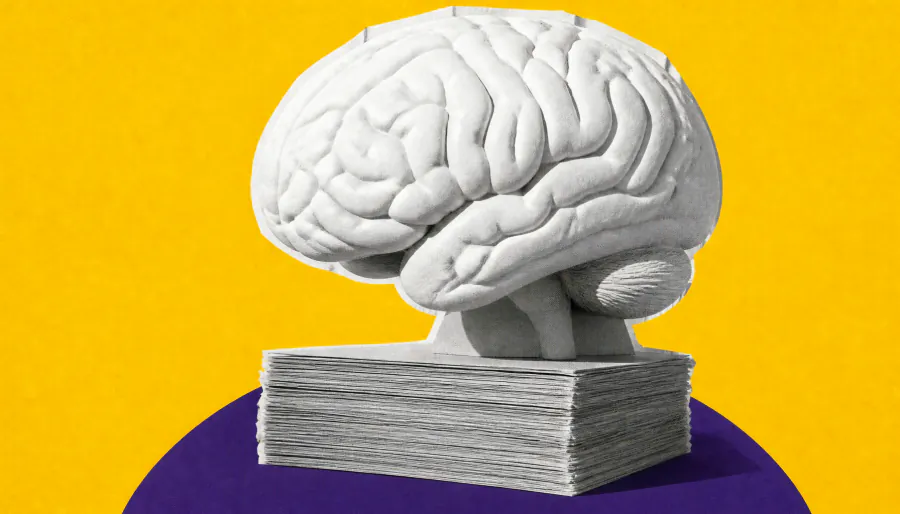
Big money, big questions in brain disease research. The Rainwater Charitable Foundation has awarded $3 million to four scientists tackling the molecular mysteries of tau protein — a key driver behind Alzheimer's, progressive supranuclear palsy (PSP), and corticobasal degeneration (CBD). The funded studies aim to decode how tau misfolds, aggregates, and behaves differently across brain cell types, with hopes of unlocking better diagnostics and treatments.
Big money, big questions in brain disease research
The Rainwater Charitable Foundation has awarded $3 million across four research projects through its 2026 Tauopathy Challenge Workshop, with support from the Alzheimer's Association, Aging Mind Foundation, and CurePSP. The funded scientists will investigate the structural and molecular behavior of tau protein — a key culprit in neurodegenerative diseases like Alzheimer's, progressive supranuclear palsy (PSP), and corticobasal degeneration (CBD).
PSP and CBD are particularly valuable research targets because tau is their primary pathology, unlike Alzheimer's where multiple disease processes overlap. This makes them ideal "pathfinders" for understanding how tau drives neurodegeneration more broadly. Cutting-edge tools like cryo-electron microscopy and fluorescence-activated cell sorting are enabling researchers to study tau at near-atomic resolution directly from human brain tissue.
Key Takeaways:
Why it matters: No disease-modifying treatments currently exist for PSP or CBD. A deeper understanding of tau's molecular diversity could pave the way for more precise biomarkers, better-designed clinical trials, and — ultimately — effective therapies for those affected by tau-driven diseases.