Curie Brief
Turn on cookies to sign in
Signing in saves your progress to your Curie account. We can only do that with cookies on — turn them on to continue.
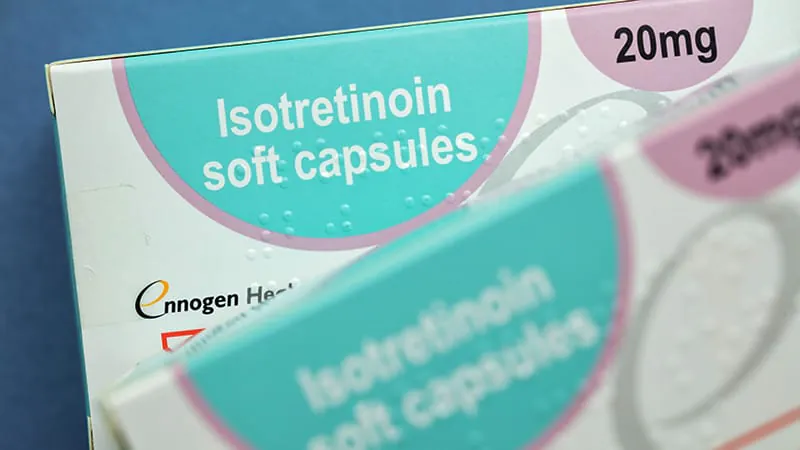
Isotretinoin, the go-to acne drug since the '80s, is getting a research refresh. A large Danish study found no meaningful impact on adult height, easing a common parental worry. New consensus data also suggest lasers can be used more safely alongside the drug, and higher cumulative doses may help keep acne from coming back.
Isotretinoin has been a cornerstone of acne treatment for decades, but new research is reshaping how dermatologists use it. At the California Society of Dermatology and Dermatologic Surgery fall symposium, UCLA dermatologist Dr. Carol Cheng shared a series of clinical pearls drawn from recent studies — covering everything from bone growth concerns to laser compatibility and relapse prevention.
One of the biggest takeaways: parents worried that isotretinoin might stunt their kids' growth can breathe easier. A 2026 Danish study tracking over 368,000 military conscripts found no clinically significant difference in adult height between isotretinoin users and non-users. On the laser front, expert consensus is shifting — 82% of a panel agreed energy-based devices can be safely used during isotretinoin therapy, with the strongest support for vascular lasers.
Key Takeaways
Why it matters: These updates give clinicians practical, evidence-based guidance to optimize isotretinoin dosing, safely combine it with procedures, and counsel patients on supplement use — all of which can meaningfully improve acne outcomes and patient satisfaction.