Curie Brief
Turn on cookies to sign in
Signing in saves your progress to your Curie account. We can only do that with cookies on — turn them on to continue.
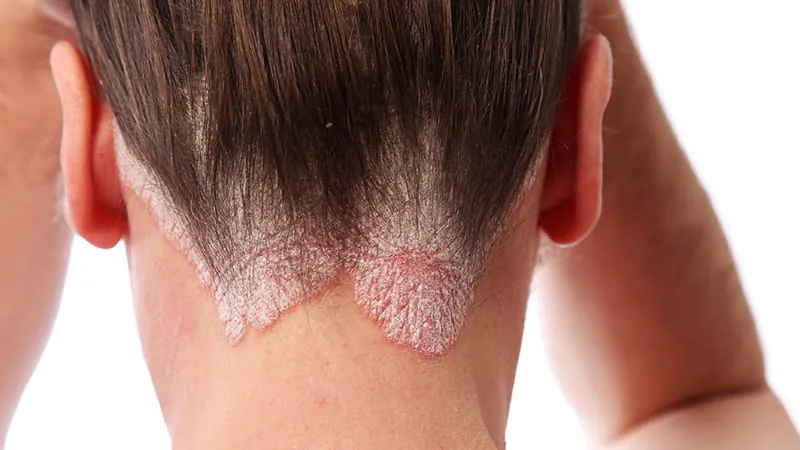
Body image in psoriatic disease is about more than what's visible. A new study from Mexico found that functional limitations, fatigue, anxiety, depression, and nail involvement are all independently linked to poor body image — sometimes more so than the extent of skin lesions. Researchers say this calls for a more comprehensive, multidisciplinary approach to care.
When it comes to psoriatic disease, what patients see in the mirror is shaped by far more than their skin. A cross-sectional study of 91 adults in Mexico, published in Reumatología Clínica, found that body image concerns were driven not just by visible lesions or disease activity scores, but also by functional limitations, fatigue, anxiety, depression, and nail involvement — all of which were independently associated with poorer body image.
Notably, nail involvement (present in over half of participants) and difficult-to-treat areas were common even among those with mild overall skin disease. Patients with psoriatic arthritis had more comorbidities, greater disability, and worse quality of life compared to those with psoriasis alone — yet body image scores didn't differ significantly between the two groups, suggesting the psychological burden cuts across disease subtypes.
Key Takeaways:
Why it matters: Clinicians who focus only on inflammation control may miss significant psychological and functional burdens that quietly erode patients' quality of life. Simple, open-ended questions during consultations can surface concerns that standard disease activity measures overlook.