Curie Brief
Turn on cookies to sign in
Signing in saves your progress to your Curie account. We can only do that with cookies on — turn them on to continue.
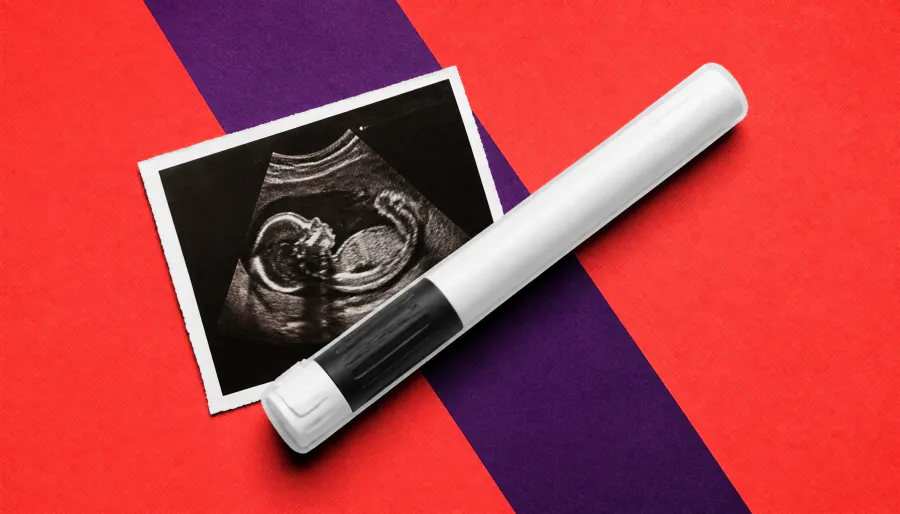
A new study links anti-CGRP migraine drugs to a 42% higher miscarriage risk in early pregnancy. Researchers analyzed over 7,500 pregnancies and found those exposed to drugs like Aimovig and Emgality had a notably higher rate of spontaneous abortion before 20 weeks. Propranolol, another migraine preventive, showed no such association — offering a potentially safer alternative for pregnant patients.
A large retrospective cohort study published in JAMA Neurology found that pregnant individuals with migraine who were exposed to anti-CGRP monoclonal antibodies — a popular class of migraine prevention drugs — faced a significantly higher risk of spontaneous abortion compared to those who weren't. The study drew on data from over 7,500 singleton pregnancies in a US commercial insurance claims database, tracking outcomes through 20 weeks of gestation.
The drugs studied included well-known names like Aimovig (erenumab), Ajovy (fremanezumab), Emgality (galcanezumab), and Vyepti (eptinezumab). Meanwhile, propranolol — an older, beta-blocker-based migraine preventive — showed no elevated miscarriage risk, suggesting it may be a safer option for those who are pregnant or planning to become pregnant.
By the Numbers
Why it matters: While the study doesn't prove causation, it adds meaningful real-world data to an area with very limited pregnancy safety evidence. Clinicians counseling migraine patients of childbearing age should factor these findings into treatment decisions — especially when pregnancy is being planned or is already underway.