Curie Brief
Turn on cookies to sign in
Signing in saves your progress to your Curie account. We can only do that with cookies on — turn them on to continue.
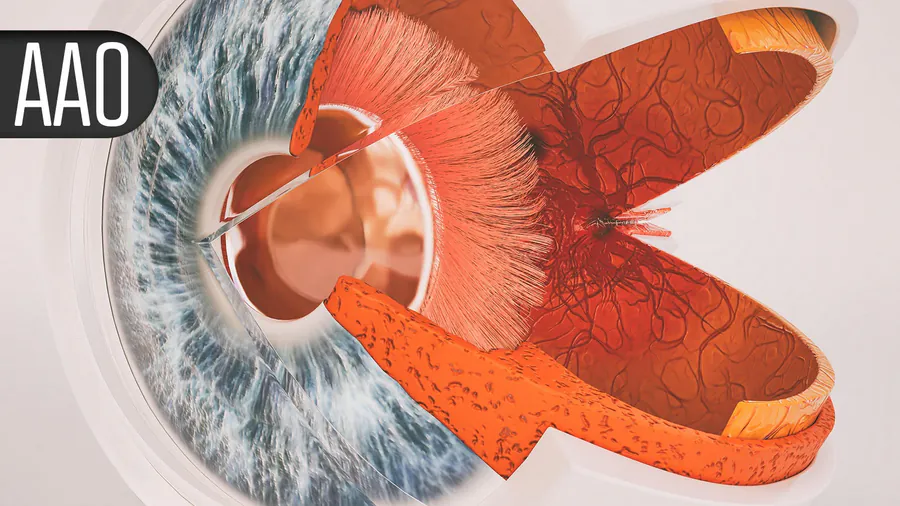
Childhood sleep apnea linked to significantly higher glaucoma risk. A large retrospective study found that children with obstructive sleep apnea (OSA) were nearly three times more likely to develop glaucoma than those without it. While glaucoma remains rare in kids, researchers say early OSA detection could open a window for timely eye monitoring and intervention before any permanent damage occurs.
A large retrospective study presented at the American Academy of Ophthalmology (AAO) 2026 meeting found that children with obstructive sleep apnea (OSA) face nearly three times the risk of developing glaucoma compared to peers without OSA. Researchers from Kaohsiung Veterans General Hospital in Taiwan analyzed data from over 2.6 million pediatric patients in the U.S. TriNetX clinical research platform (2016–2020), marking the first large-scale, real-world study to examine this link in children.
Though glaucoma remains uncommon in kids, the findings mirror what's already well-established in adults — that OSA and glaucoma are meaningfully connected. Possible mechanisms include reduced parafoveal vascularization tied to adenotonsillar hypertrophy and changes in the retinal nerve fiber layer. Notably, all children in the study retained preserved visual function throughout the study period.
By the Numbers:
Why it matters: Children are in a critical window of visual development, so catching OSA early could create an opportunity to monitor eye health and potentially prevent irreversible glaucomatous damage before it starts.