Curie Brief
Turn on cookies to sign in
Signing in saves your progress to your Curie account. We can only do that with cookies on — turn them on to continue.
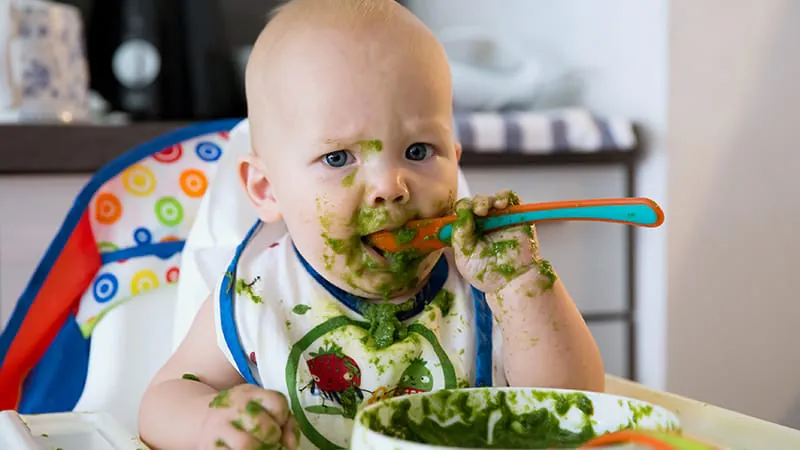
Roughly 1 in 6 young children with food allergies may also be at risk for a pediatric feeding disorder (PFD), and their caregivers are paying a real price. A new study found these caregivers report significantly higher stress and worse feeding-related quality of life compared to those whose children aren't at risk — highlighting a largely overlooked comorbidity in allergy care.
A new cross-sectional study out of Australia found that nearly 1 in 6 young children with IgE-mediated food allergies screened positive for risk of pediatric feeding disorder (PFD) — and the ripple effects on families are significant. Researchers surveyed caregivers of 107 children (average age: 30 months) from allergy clinics across three Sydney hospitals, assessing feeding behaviors, parenting stress, and quality of life.
The findings paint a clear picture: caregivers of at-risk children reported notably higher stress and worse feeding-related quality of life than those whose children weren't flagged. Over a quarter of all caregivers expressed concerns about mealtime behavior, citing issues like food refusal, mealtime tantrums, and poor appetite.
Why it matters: Food allergy management typically focuses on avoidance and emergency preparedness — but this study signals that feeding difficulties and family stress deserve equal attention. Integrating PFD screening and family-centered support into allergy care pathways could meaningfully improve outcomes for both children and their caregivers.