Curie Brief
Turn on cookies to sign in
Signing in saves your progress to your Curie account. We can only do that with cookies on — turn them on to continue.

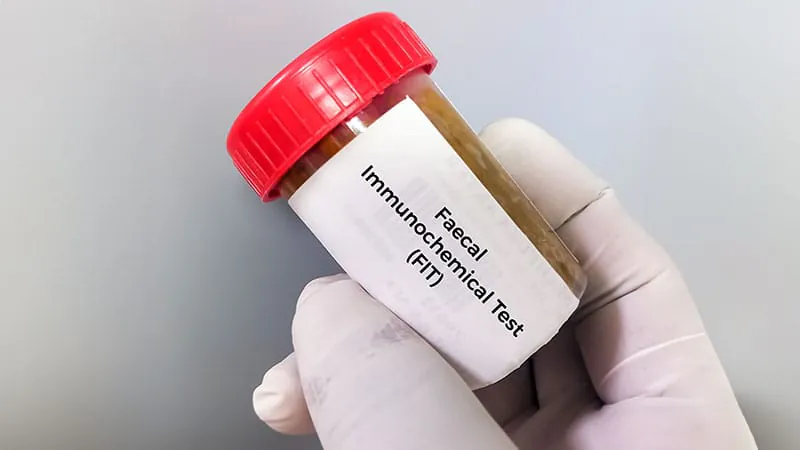
A mailed at-home stool test program boosted colorectal cancer screening rates by more than 50% among underserved New York City adults — and nearly tripled follow-up colonoscopy rates after an abnormal result. The randomized trial, presented at the ACG Annual Scientific Meeting, showed the approach worked even for newly eligible adults aged 45–49. Researchers say the findings underscore the need to bring preventive care directly to patients.
A mailed fecal immunochemical test (FIT) outreach program dramatically improved colorectal cancer (CRC) screening rates among underserved adults at federally qualified health centers in Brooklyn, NY. Presented at the ACG Annual Scientific Meeting, the randomized trial of 2,007 adults found that those who received mailed FIT kits — along with reminder calls and letters — were far more likely to complete screening than those receiving standard care. The program also included vouchers for colonoscopy prep and transportation for participants with abnormal results.
The results were striking across the board, including among adults aged 45–49, a group newly eligible for CRC screening and often harder to reach. Researchers noted that unemployment was linked to lower screening odds even after controlling for insurance status, pointing to deeper social determinants of health at play.
By the Numbers:
Why it matters: CRC is highly preventable when caught early, but screening rates remain low in underserved communities. This study shows that proactive, multilevel outreach — meeting patients where they are — can meaningfully close that gap.