Curie Brief
Turn on cookies to sign in
Signing in saves your progress to your Curie account. We can only do that with cookies on — turn them on to continue.
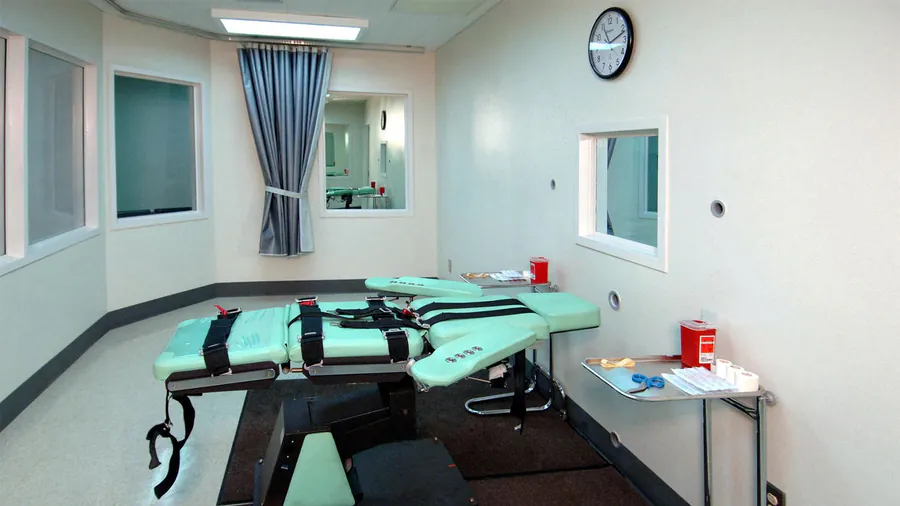
Tennessee's attempt to execute Christa Pike on Sept. 30 failed after two doses of pentobarbital didn't kill her — likely because IV lines were improperly placed, causing the drug to leak into surrounding tissue instead of her veins. Pike was hospitalized in critical condition, arms burned and blistered, and later regained consciousness. Experts say this wasn't a freak accident — it's a textbook IV complication that hospitals manage daily, but execution chambers are structurally unequipped to catch or correct.
Tennessee's attempt to execute Christa Pike on Sept. 30 ended not with a death, but with an ambulance. After two rounds of the lethal drug pentobarbital failed to kill her, Pike was transported to a hospital with both arms swollen, burned, and blistered — and placed on a ventilator. She later regained consciousness, becoming what legal scholars call the first person in American history to survive a lethal injection after the drug was actually administered.
Medical experts say the likely culprit is IV infiltration — a routine complication where a catheter slips or a vein collapses, causing the drug to pool in surrounding tissue instead of entering the bloodstream. It's one of the most common failures in intravenous medicine, something nurses check for multiple times per shift. The problem: execution chambers are designed to look like medicine but lack the monitoring, training, and freedom to stop that make medicine safe. Tennessee's protocol had no contingency for two failed drug rounds — leaving staff with no rulebook and witnesses listening to Pike breathe behind a closed curtain for nearly 40 minutes.
Key Takeaways:
Why it matters: This case has reignited debate over lethal injection as a humane execution method and raises urgent questions about medical ethics, oversight, and what happens when clinical procedures are performed outside the safeguards of a healthcare system. Tennessee has suspended lethal injections for the rest of the year, and an independent state review may reshape how — or whether — executions proceed.