Curie Brief
Turn on cookies to sign in
Signing in saves your progress to your Curie account. We can only do that with cookies on — turn them on to continue.
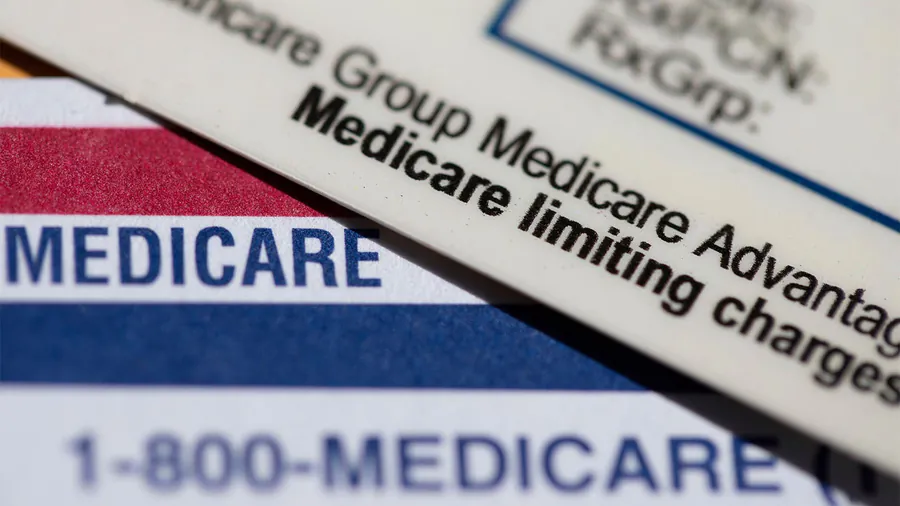
The Trump administration is rolling out one-time $90 payments to about 20.8 million Medicare Part B enrollees, drawn from the Medicare Improvement Fund. But more than two-thirds of Medicare's 70.6 million beneficiaries — including Medicare Advantage enrollees and low-income recipients — are ineligible. Critics are calling it a pre-midterm political move rather than a meaningful fix for rising healthcare costs.
The Trump administration has begun disbursing one-time $90 payments to approximately 20.8 million Medicare Part B enrollees, funded by the Medicare Improvement Fund — a congressional reserve established in 2008 to improve traditional Medicare operations. Eligible recipients are U.S. residents enrolled in original Medicare who don't receive Medicaid premium assistance and aren't subject to income-adjusted premiums. Most will receive a direct deposit, with paper checks going out later in October.
The rollout comes just weeks before the November 3 midterm elections, and critics — including Senate Finance Committee ranking member Sen. Ron Wyden — are characterizing the payments as a political maneuver rather than a meaningful policy fix. The $90 credit covers less than half of one month's standard Part B premium of $202.90, and the total program cost is approximately $2 billion.
By the Numbers:
Why it matters: With healthcare affordability ranking among voters' top concerns heading into the midterms, the rebate offers modest, short-term relief to a subset of Medicare beneficiaries. But the exclusion of more than two-thirds of Medicare enrollees — including low-income recipients — raises questions about whether the policy meaningfully addresses the structural cost pressures facing American seniors.