Curie Brief
Turn on cookies to sign in
Signing in saves your progress to your Curie account. We can only do that with cookies on — turn them on to continue.
Over 20 million Medicare recipients are receiving $90 direct deposits from the Social Security Administration this month. The payments are "premium rebates" drawn from the Medicare Improvement Fund, designed to help enrollees offset their Medicare Part B premiums. To qualify, beneficiaries must live in the U.S., not receive Medicaid premium assistance, and not be high-income earners — Medicare Advantage enrollees are excluded.
Over 20 million Medicare enrollees are seeing an unexpected $90 deposit from the Social Security Administration this month. The White House announced the "premium rebates" on Oct. 2, funded through the Medicare Improvement Fund — a program Congress established in 2008 to improve Medicare Parts A and B. Most eligible recipients will receive a direct deposit, while some will get paper checks later in October.
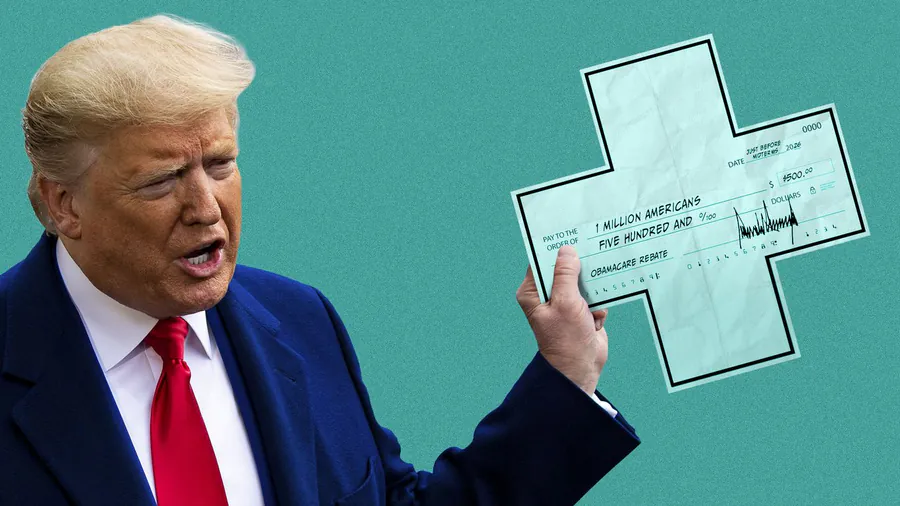
The $90 represents roughly half the cost of a standard monthly Medicare Part B premium, which runs about $202/month in 2026. This follows an earlier Trump promise of $100 checks to Medicare seniors, and is part of a broader administration push to put money back in Americans' pockets amid rising costs — including $500 rebate checks to approximately 1 million ACA enrollees who were reportedly overcharged for coverage.
By the Numbers:
Why it matters: These payments reflect a significant, politically timed use of federal healthcare funds to provide direct financial relief to Medicare beneficiaries. For healthcare providers and patients alike, understanding eligibility and the source of these funds is key — especially as broader policy debates around Medicare sustainability continue.