Curie Brief
Turn on cookies to sign in
Signing in saves your progress to your Curie account. We can only do that with cookies on — turn them on to continue.
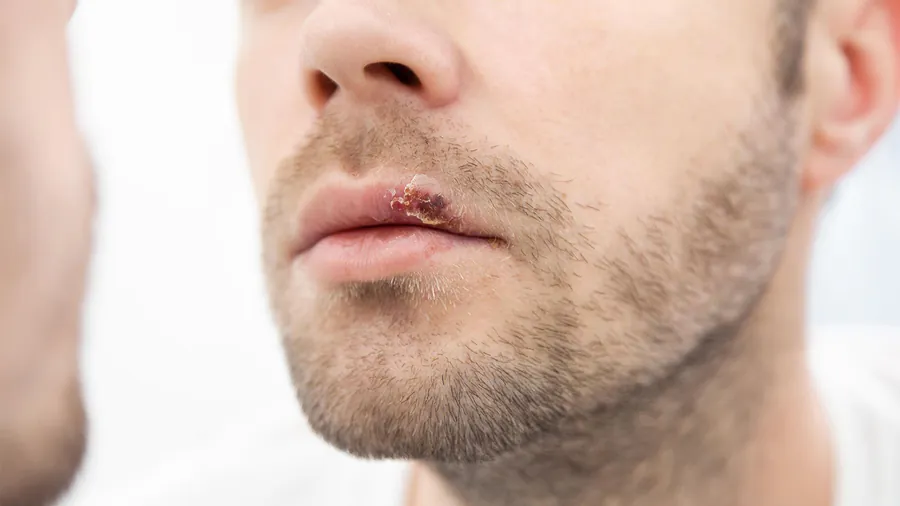
A new option for stubborn herpes infections just got the green light. The FDA approved pritelivir (Hovilpri), an oral helicase-primase inhibitor, to treat mucocutaneous HSV lesions in immunocompromised patients who haven't responded to standard antivirals. In a phase III trial, 63% of pritelivir-treated patients saw complete lesion healing within 28 days, compared to just 34% on alternative therapies.
A new weapon against drug-resistant herpes infections
The FDA has approved pritelivir (Hovilpri), a novel oral helicase-primase inhibitor, to treat mucocutaneous lesions caused by herpes simplex virus (HSV-1 and HSV-2) in immunocompromised patients who haven't responded to existing antiviral therapies. This is a meaningful step forward for a population — including those with HIV, hematologic malignancies, stem-cell transplants, and autoimmune conditions — who are particularly vulnerable to severe, treatment-refractory HSV infections.
The approval was based on the phase III PRIOH-1 trial, which enrolled 101 immunocompromised patients with HSV infections resistant to acyclovir, valacyclovir, or famciclovir. Pritelivir was compared against physicians' choice of foscarnet, cidofovir, or imiquimod. Headache was the most commonly reported side effect.
By the Numbers
Why it matters: For immunocompromised patients battling HSV infections that don't respond to standard treatments, pritelivir offers a much-needed oral alternative — prioritizing both rapid healing and tolerability in a group with very limited options.