Curie Brief
Turn on cookies to sign in
Signing in saves your progress to your Curie account. We can only do that with cookies on — turn them on to continue.
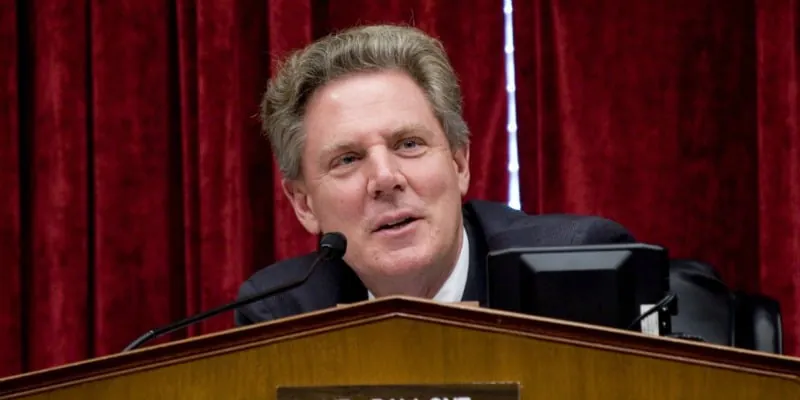
HHS Secretary RFK Jr. announced a major new initiative to fund vaccine injury research, including a new NIH clinic and physician reimbursement for VAERS reporting. Meanwhile, data shows vaccine injuries are exceedingly rare — about 1 per million doses — while the existing Vaccine Injury Compensation Program faces a funding and caseload crisis that advocates say urgently needs reform.
HHS Secretary Robert F. Kennedy Jr. unveiled a sweeping vaccine injury initiative, including a new research clinic at the NIH, a CMS billing code to reimburse physicians for reporting suspected vaccine injuries to VAERS, and a modernized VAERS reporting system. Kennedy framed the effort as a way to "earn back trust" in public health institutions, saying vaccine injury patients have long been dismissed. NIH Director Jay Bhattacharya, CMS Administrator Mehmet Oz, and CDC Director Erica Schwartz all appeared in a video supporting the initiative.
The announcement comes with notable context: Kennedy has a well-documented history of making claims about vaccines that are not supported by scientific evidence, including links to autism and chronic disease. Sources told The New York Times the new clinic may investigate aluminum-containing vaccines — ingredients that have repeatedly been demonstrated safe in peer-reviewed research.
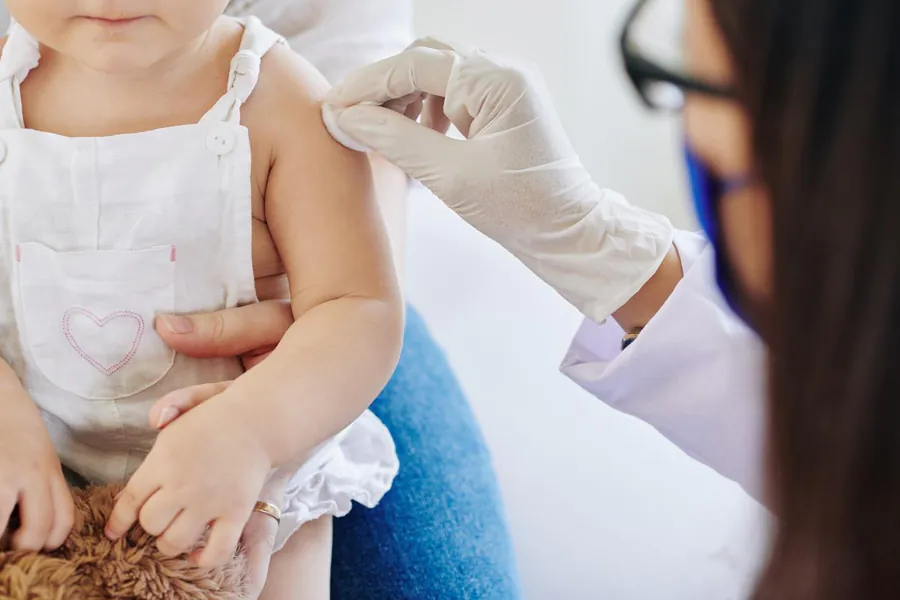
At the same time, a new report highlights that the existing Vaccine Injury Compensation Program (VICP) — a 40-year-old federal no-fault system — is facing a serious caseload and funding crunch, even as vaccine injuries remain rare.
By the Numbers:
Why it matters: This initiative could reshape how vaccine safety is communicated and regulated at a federal level. While reforming VICP to handle claims faster and more fairly has broad support, public health experts caution that amplifying unproven injury claims through official channels risks undermining vaccine confidence at a critical time.