Curie Brief
Turn on cookies to sign in
Signing in saves your progress to your Curie account. We can only do that with cookies on — turn them on to continue.
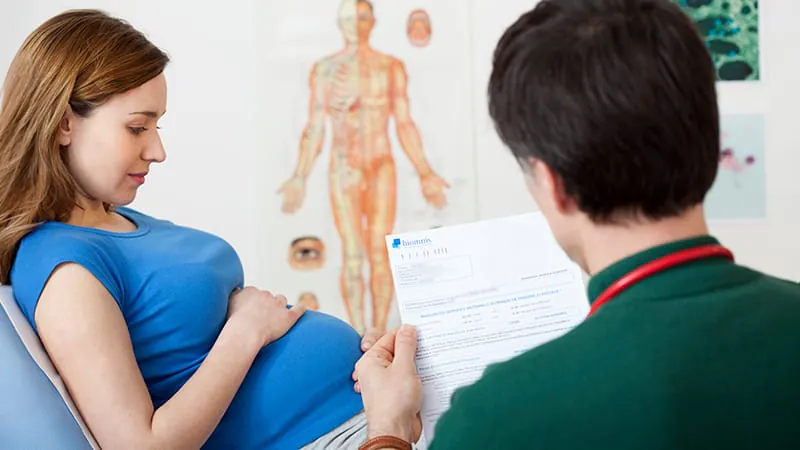
Pregnant and breastfeeding people take medicines all the time, but they're almost never included in the trials that prove those medicines are safe. New international draft guidelines — the ICH E21 framework — aim to flip the script by replacing automatic exclusion with a case-by-case risk-benefit assessment. Final guidelines are expected by late 2027 or early 2028.
Pregnant and breastfeeding individuals are among the most medically underserved populations in clinical research. Despite routinely needing medications for conditions like hypertension, epilepsy, depression, and autoimmune disease, they are almost universally excluded from the trials that establish whether those treatments actually work — and are safe.
New draft guidelines from the International Council for Harmonization (ICH E21) aim to change that. Rather than automatic exclusion, the framework calls for a structured, case-by-case assessment of when including pregnant or breastfeeding participants is appropriate, what safeguards are needed, and how to collect meaningful safety data — including for infants. Drug developers would be required to consider this early in a medicine's development, not as an afterthought post-approval.
Experts at a recent EMA meeting in Amsterdam broadly supported the move, emphasizing that exclusion from trials creates an "illusion of caution" — leaving patients, babies, and clinicians making high-stakes decisions with little to no data.
By the Numbers:
Why it matters: Without trial data, pregnant patients are often forced to choose between undertreated illness and untested medications. These guidelines could fundamentally reshape how evidence is generated for one of medicine's most overlooked populations.