Curie Brief
Turn on cookies to sign in
Signing in saves your progress to your Curie account. We can only do that with cookies on — turn them on to continue.
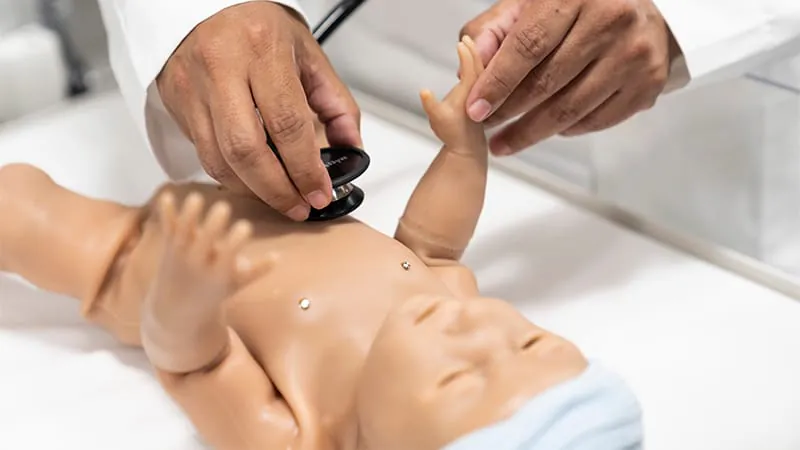
A new generation of US medical schools is flipping the script on traditional training. Programs at Kaiser Permanente, University of Georgia, Meritus, and Roseman University are putting students in front of real patients from week one, swapping cadavers for plastinated specimens, and anchoring curricula to community and underserved-area needs — all in response to a projected shortage of up to 86,000 physicians by 2036.
A new wave of MD and DO programs is reshaping how the US trains its next generation of physicians — and the changes are significant. Driven in part by a projected shortage of up to 86,000 physicians by 2036, 11 new MD programs and 22 new osteopathic teaching campuses have launched since 2019–2020. These schools are ditching the traditional "two years in the classroom, then clinical" model in favor of hands-on patient exposure from the very first week.
At Kaiser Permanente Bernard J. Tyson School of Medicine, students begin longitudinal clerkships in week one, rotate through federally qualified health centers, and learn anatomy using plastinated (polymer-preserved) specimens instead of traditional cadavers. The University of Georgia similarly starts history-taking and patient assessment from day one. Meritus School of Osteopathic Medicine dedicates one full day per week to research, while Roseman University in Las Vegas builds its curriculum around household-level social factors like housing, food security, and transportation.
By the Numbers:
Why it matters: These programs are designed to produce physicians ready to serve underserved communities — where the shortage will hit hardest. Whether earlier clinical exposure and community-focused training translates to better long-term retention in those areas is the key question to watch.