Curie Brief
Turn on cookies to sign in
Signing in saves your progress to your Curie account. We can only do that with cookies on — turn them on to continue.
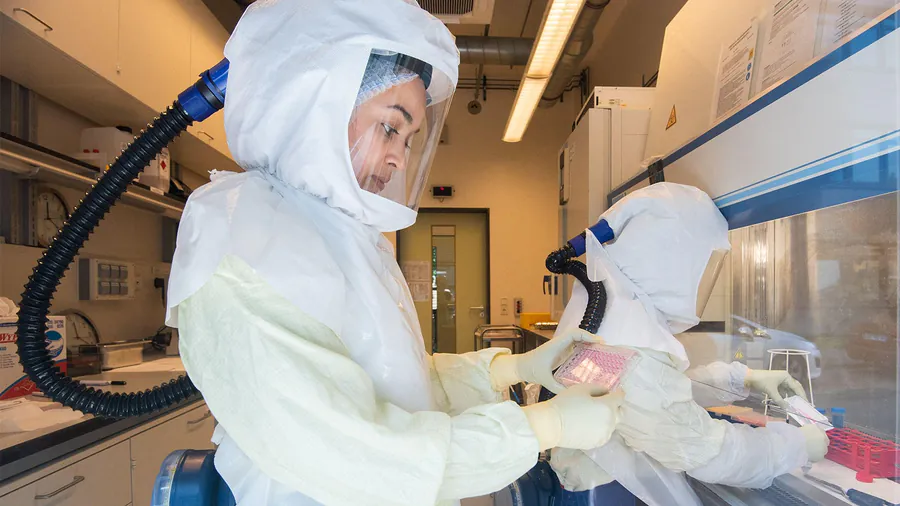
A lab worker's death in Siberia has put pneumonic plague back in the spotlight — but experts urge caution before sounding the alarm. Russia says no plague was confirmed, while WHO, the CDC, and the U.S. State Department are pressing for transparency. The U.S. threat level remains very low, but the case is a timely reminder of why biosafety, rapid diagnosis, and preparedness matter.
A 28-year-old employee of Russia's Irkutsk Anti-Plague Research Institute died of severe pneumonia on October 2, sparking global concern about a possible pneumonic plague case. Russian authorities attributed her death to "pneumonia of unknown cause," saying 5,000 tests found no dangerous pathogens among nearly 200 contacts placed under medical observation. WHO, still seeking lab details, rates the risk as moderate-to-low for Irkutsk, low for Russia overall, and very low for the broader European region. The U.S. CDC, State Department, and ASPR are actively monitoring the situation, with screening in place at JFK Airport for travelers arriving from Siberia.
Clinicians should know that pneumonic plague — the deadliest form of the disease — can progress within hours and is nearly always fatal without prompt antibiotic treatment. A recent Arizona case illustrates the diagnostic pitfalls: a patient died within 8 hours of admission after an automated lab system initially misidentified the pathogen. Experts stress that treatment should begin on suspicion alone, without waiting for confirmation.
Key Takeaways:
Why it matters: This case underscores the critical role of lab biosafety, international health transparency, and clinical preparedness. Even without a confirmed outbreak, the episode reveals real gaps — from diagnostic delays to incomplete preparedness drills — that could prove costly in a genuine emergency.