Curie Brief
Turn on cookies to sign in
Signing in saves your progress to your Curie account. We can only do that with cookies on — turn them on to continue.

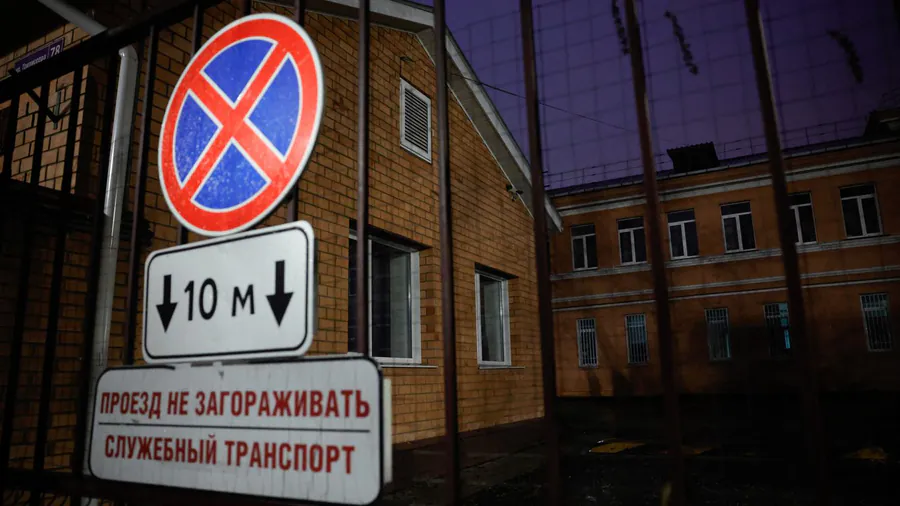
The CDC is keeping a close eye on travelers from Siberia after a plague institute worker there died from pneumonia of unknown origin. CDC Director Erica Schwartz says the risk to the US is "extremely low," but the agency is coordinating with multiple federal departments and has screening capabilities at JFK Airport. President Trump also weighed in, saying he doesn't believe the death was caused by a bioweapon.
The CDC is monitoring the situation after a worker at a plague research institute in Siberia died from pneumonia of as-yet unestablished origin — a case that has drawn international concern. CDC Director Erica Schwartz, speaking at the Wall Street Journal's The Future of Health event, reassured the public that the threat to the United States is "extremely low," while emphasizing that the government is taking a coordinated, whole-of-government approach to tracking the situation.
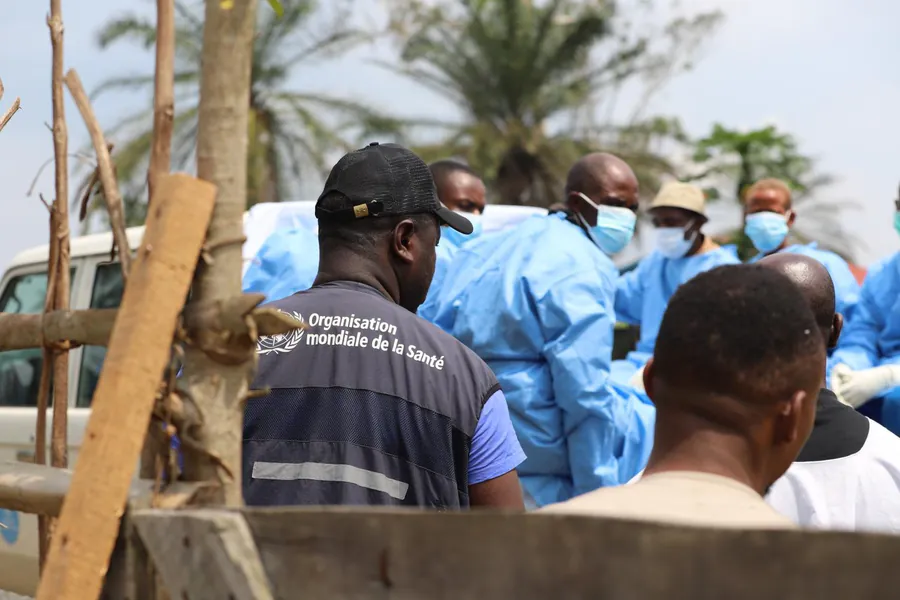
The agency is working alongside the Departments of Homeland Security, State, and others to monitor any travelers arriving from the affected region. The CDC's port health station at JFK Airport is equipped to conduct surveillance and screening for such travelers. Russia's health regulator has also stated there is no epidemic risk in Siberia, and President Trump told reporters he does not believe the death was linked to a bioweapon.
By the Numbers:
Why it matters: While the immediate risk appears low, the mysterious death of a lab worker at a plague institute has put global health authorities on alert. The US response highlights the importance of robust traveler surveillance systems in catching potential infectious disease threats before they spread.