Curie Brief
Turn on cookies to sign in
Signing in saves your progress to your Curie account. We can only do that with cookies on — turn them on to continue.
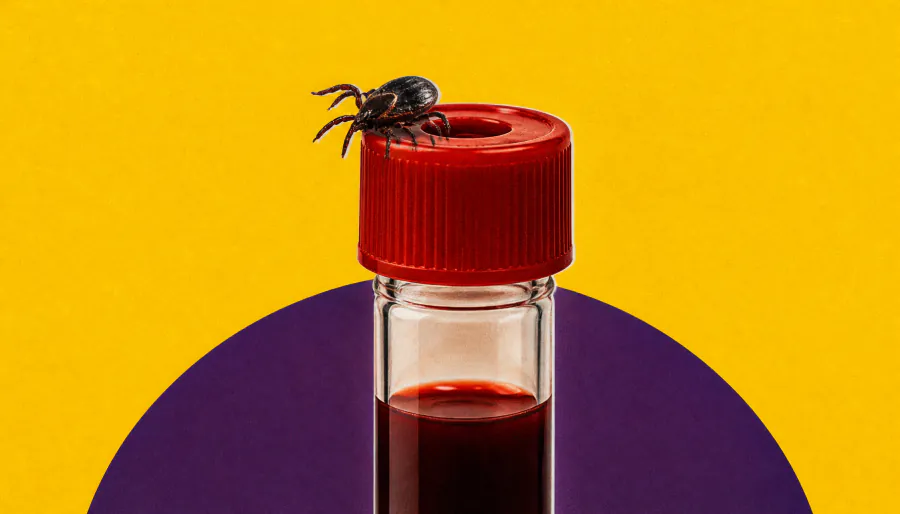
Got Lyme? You might have more. A large study of over 193,000 patients found that nearly 1 in 3 people who tested positive for the bacteria behind Lyme disease also had antibodies to other tick-borne pathogens — a rate 4–5 times higher than those without Lyme exposure. Experts warn that standard Lyme treatment won't cover all co-infections, making broader testing essential.
A major new study published in JAMA Network Open reveals that nearly one-third of people who tested positive for Borrelia burgdorferi — the bacterium behind Lyme disease — also had antibodies to at least one other tick-borne pathogen. Researchers analyzed data from over 193,000 patients in the Quest Diagnostics database between January 2021 and December 2025, making it one of the largest studies of its kind.
The co-positive pathogens included Anaplasma phagocytophilum (anaplasmosis), Babesia microti (babesiosis), and Ehrlichia species (ehrlichiosis) — all of which can cause symptoms that overlap with Lyme disease. Experts note that expanding tick habitats driven by climate change are making these co-exposures more common and geographically widespread, eroding the old regional assumptions about which ticks live where.
Why it matters: Doxycycline — the go-to treatment for Lyme disease — doesn't work against babesiosis. If clinicians stop at a Lyme diagnosis without broader testing, co-infections can go untreated, potentially worsening patient outcomes. As tick ranges expand, this is a growing concern nationwide.