Curie Brief
Turn on cookies to sign in
Signing in saves your progress to your Curie account. We can only do that with cookies on — turn them on to continue.
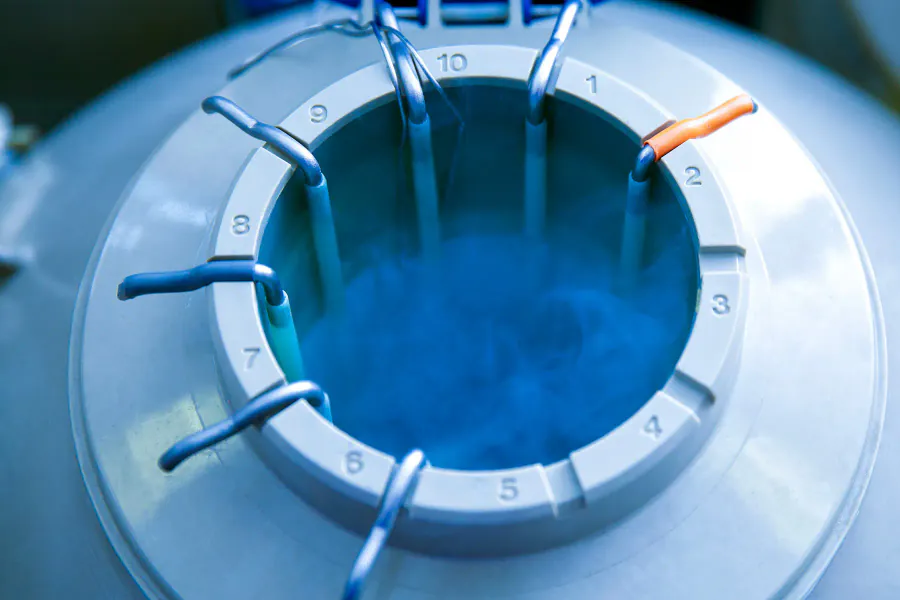
Oocyte cryopreservation can protect fertility in women with endometriosis, but experts say it isn't right for everyone. Age, disease severity, ovarian reserve, and prior surgeries should all factor into the decision. Individualized counseling — not a blanket recommendation — is the key to making the most of limited reproductive options and public funding.
Egg freezing can be a valuable fertility-preservation tool for women with endometriosis, but it's far from a universal solution. Speaking at a conference in Rome on Italy's national Fertility Day, Dr. Ludovico Muzii of Sapienza University highlighted that the decision to pursue oocyte cryopreservation should be made case by case, weighing a patient's age, disease stage, ovarian reserve, and surgical history. A major complicating factor: diagnosis of endometriosis in Italy still takes 4–11 years from symptom onset, delaying timely intervention.
For younger women (under 35) with mild, early-stage endometriosis, egg freezing is generally not warranted, as the risk of disease progression compromising fertility is low. However, women over 35 or those with advanced disease (stage III/IV) or prior ovarian surgery are better candidates. Pharmacologic therapies like progestins or GnRH analogs can also help preserve ovarian reserve while patients aren't yet ready to conceive.
Key Takeaways:
Why it matters: With public funding for fertility preservation limited, clinicians must carefully identify which patients will truly benefit — balancing patient outcomes with healthcare system costs.