Curie Brief
Turn on cookies to sign in
Signing in saves your progress to your Curie account. We can only do that with cookies on — turn them on to continue.
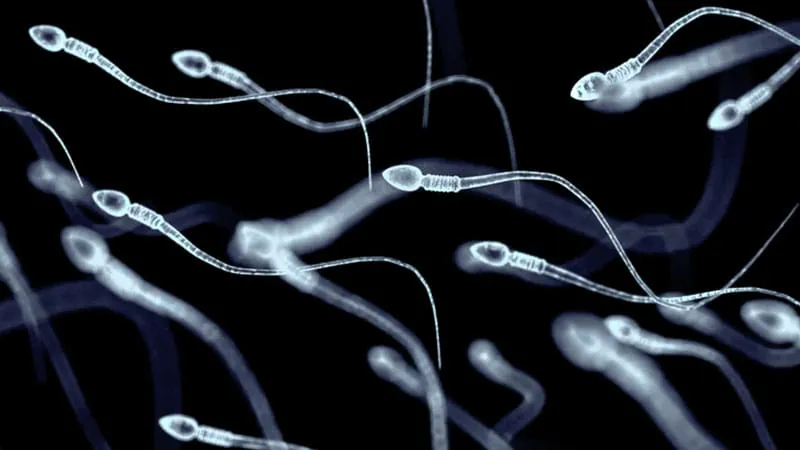
Sperm carries its own microbial community — and it may matter more than we thought. A new Lancet study found that a specific pattern of seminal dysbiosis was linked to significantly lower live birth rates and higher pregnancy loss in couples undergoing IVF. Experts say the findings are promising but caution that routine clinical testing isn't ready yet.
Infertility affects a large share of couples worldwide, and in roughly half of those cases, a male factor is involved — yet male reproductive health has historically taken a back seat in fertility workups. A new study published in The Lancet Obstetrics, Gynaecology, & Women's Health is changing that conversation by simultaneously analyzing the vaginal, intestinal, and seminal microbiomes and linking them to real reproductive outcomes.
The standout finding: a distinct microbial imbalance in semen — dubbed "seminal V-dysbiosis" — was associated with a dramatically lower chance of live birth and a higher risk of pregnancy loss, both in IVF patients and couples with recurrent pregnancy loss. Experts say this underscores the need to evaluate fertility as a couple's issue, not just a female one.
By the Numbers
Why it matters: While the findings are observational and not yet practice-changing, they open a compelling new frontier. If future trials show that correcting seminal dysbiosis improves outcomes, it could reshape how clinicians approach unexplained infertility — one of the field's most stubborn challenges.