Curie Brief
Turn on cookies to sign in
Signing in saves your progress to your Curie account. We can only do that with cookies on — turn them on to continue.
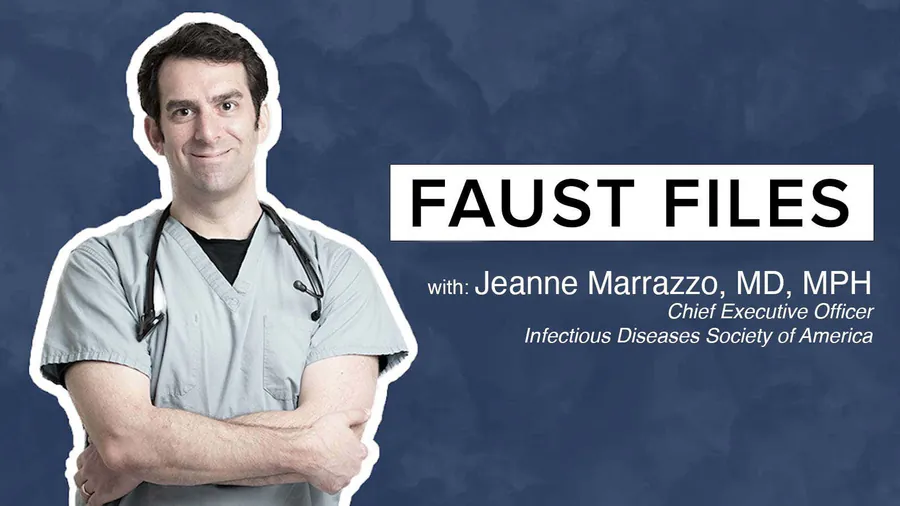
Former NIAID Director Jeanne Marrazzo, MD, called the federal response to ongoing measles outbreaks — including at least five deaths in Pennsylvania and six cases of congenital measles — "shameful." With ACIP's working groups dismantled and CDC leadership silent, medical societies like IDSA are stepping in to issue their own vaccine guidance. She warns that gutted research funding and a demoralized ID workforce are putting the country's public health infrastructure at serious risk.
Former NIAID Director and current IDSA President Jeanne Marrazzo, MD, MPH, didn't mince words in a recent interview with MedPage Today: the federal response to ongoing measles outbreaks has been "extremely underwhelming and frankly shameful." With the CDC director yet to make a public statement on at least five measles deaths in Pennsylvania and six known cases of congenital measles, professional societies like IDSA are stepping in — publishing coordinated vaccine guidance, including a recent set of respiratory season recommendations in JAMA, to fill the void left by a non-functional ACIP.
The dysfunction runs deeper than measles. Marrazzo highlighted stalled renewals of major HIV clinical trials networks, a troubling shift in NIAID's research priorities away from pandemic preparedness and mRNA vaccine platforms, and the reallocation of over $500 million from BARDA's mRNA vaccine research to an older whole-cell flu vaccine platform — a move many scientists view skeptically. She also raised serious concerns about the future ID workforce, noting that postdocs and public health workers feel "besieged" amid funding threats and eroding public trust in science.
Key Takeaways:
Why it matters: When federal health infrastructure falters, the ripple effects touch everything — from outbreak response to vaccine development to the next generation of scientists. Marrazzo's warning is a call to action for policymakers and the broader medical community alike.