Curie Brief
Turn on cookies to sign in
Signing in saves your progress to your Curie account. We can only do that with cookies on — turn them on to continue.
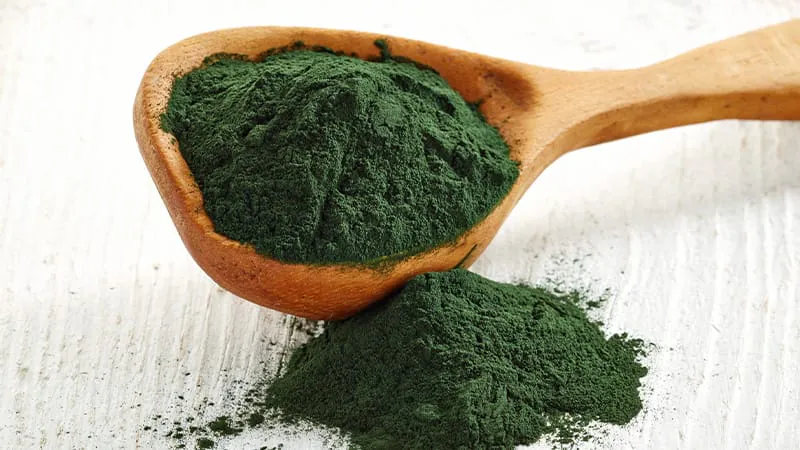
Spirulina is everywhere in wellness circles, but does it live up to the hype? A comprehensive review of clinical evidence finds small but measurable benefits for blood pressure, blood lipids, and body weight — though effects are modest. Claims around detox, immune support, cancer prevention, and vitamin B12 sourcing remain largely unsupported by human data.
Spirulina — the blue-green cyanobacterium found in everything from smoothies to supplements — is marketed as a powerhouse for blood pressure, immunity, detox, and even cancer prevention. But a close look at the clinical evidence tells a more nuanced story.
The strongest data supports modest cardiometabolic benefits. Meta-analyses of randomized controlled trials show spirulina lowers systolic blood pressure by ~4 mm Hg, reduces LDL cholesterol by ~7.7 mg/dL, and trims body weight by ~1–2 kg on average. Effects on fasting glucose and insulin resistance exist but are rated as low-certainty evidence, and there's no consistent impact on HbA1c.
By the Numbers:
Why it matters: Clinicians are increasingly asked about spirulina by patients. The bottom line: it may offer a small adjunctive benefit for cardiometabolic health, but it doesn't replace medications, lifestyle changes, or reliable B12 sources — and bold claims around detox, immunity, and cancer prevention simply aren't backed by human evidence.