Curie Brief
Turn on cookies to sign in
Signing in saves your progress to your Curie account. We can only do that with cookies on — turn them on to continue.
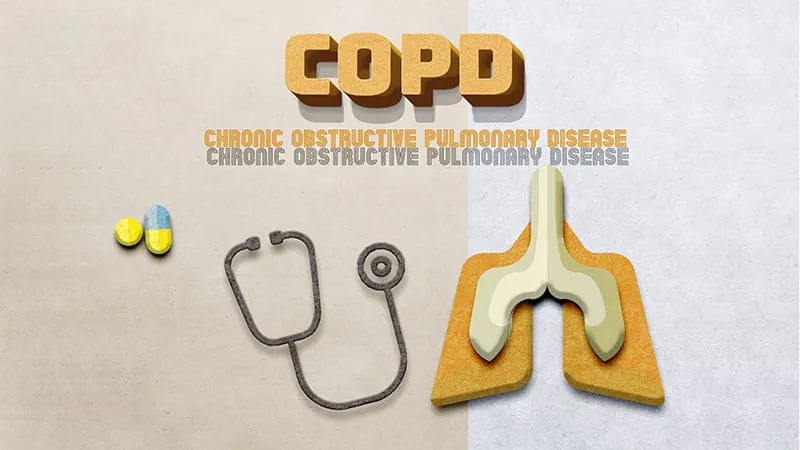
Pollen is a bigger deal for COPD patients than we thought. A new study found that high ambient pollen levels were significantly associated with reduced lung function in adults with COPD, with effects peaking around 3 days after exposure. As climate change extends pollen seasons, clinicians are being urged to help patients prepare in advance with medications and indoor air filtration.
Pollen isn't just a nuisance for allergy sufferers — it's a measurable threat to people with COPD. A new study published in Chronic Obstructive Pulmonary Diseases analyzed over 1,800 at-home lung tests from 30 adults with moderate-to-severe COPD in Boston during pollen season, finding that high ambient pollen levels were significantly associated with reduced lung function within days of exposure.
The effects were even more pronounced in patients who also had asthma or elevated C-reactive protein (CRP) levels — a marker of inflammation — suggesting that those with more severe or allergic disease are at greatest risk. Notably, pollen is not currently factored into the air quality index, meaning patients and clinicians may be underestimating its impact.
By the Numbers:
Why it matters: With climate change driving longer, more intense pollen seasons, clinicians need to proactively counsel COPD patients — especially those with asthma — on pollen risks and ensure timely access to medications and air filtration strategies before pollen season peaks.