Curie Brief
Turn on cookies to sign in
Signing in saves your progress to your Curie account. We can only do that with cookies on — turn them on to continue.
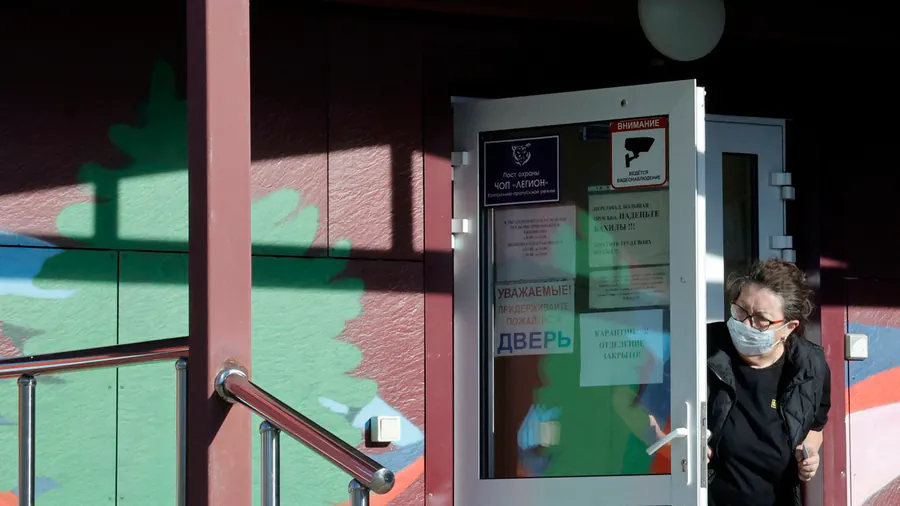
The CDC and multiple federal agencies are monitoring travelers from Siberia after a Russian lab worker's death raised fears of a pneumonic plague outbreak. A port health station at JFK Airport is screening arrivals, though officials say the threat to the U.S. is "extremely low." The WHO also assesses the global risk as very low — but the world is watching closely.
The U.S. is coordinating across multiple federal agencies — including the CDC, DHS, State Department, and HHS — to monitor travelers arriving from Siberia after a Russian lab worker's death sparked international concern about a possible pneumonic plague outbreak. CDC Director Erica Schwartz confirmed that a port health station at JFK Airport (the main entry point for the ~200 annual flights from Siberia) is set up for surveillance and screening. Despite the heightened vigilance, officials are clear: the threat to the U.S. is "extremely low."
The case centers on Darya Shipilova, an employee at Russia's Irkutsk Anti-Plague Research Institute of Siberia, who died after reportedly being exposed to plague bacteria. Russian authorities maintain the epidemiological situation is stable, with no confirmed plague diagnosis — but nearly 200 contacts were placed under medical observation and five hospitals were quarantined. The WHO assessed the risk as "very low" outside Russia, while Secretary of State Marco Rubio called on Russia to be more transparent.
Key Takeaways:
Why it matters: Pneumonic plague's near-total fatality rate when untreated — and its echoes of COVID-19 lab-origin fears — have put global health systems on alert. While experts say a widespread outbreak is unlikely given the biology of the bacteria and the availability of antibiotics, the lack of transparency from Russia is fueling uncertainty and underscoring the importance of international health information-sharing.