Curie Brief
Turn on cookies to sign in
Signing in saves your progress to your Curie account. We can only do that with cookies on — turn them on to continue.
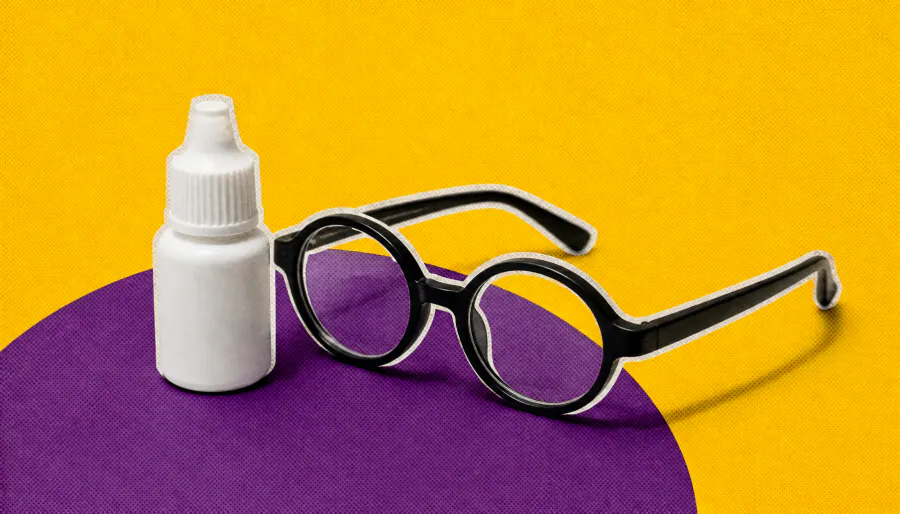
A panel of pediatric ophthalmologists shared real-world insights on Essilor Stellest lenses — the first FDA-authorized glasses to slow myopia progression in children. Experts generally favor offering Stellest as a first-line option, while debating combination therapy with atropine and the role of ultra-widefield retinal imaging in routine pediatric eye care.
A roundtable of leading pediatric ophthalmologists gathered to discuss two topics reshaping their field: the real-world rollout of Essilor Stellest spectacle lenses and the growing role of retinal imaging in pediatric practice. Since the FDA authorized Stellest lenses in September 2025 — the first eyeglasses cleared to slow myopia progression in children — clinicians report strong patient and family acceptance, even with out-of-pocket costs ranging from $700–$800 per pair.
Panelists largely agreed on offering Stellest as a first-line option for newly diagnosed young myopes, rather than waiting for progression. The group cautioned against immediately combining Stellest with atropine drops at initiation, since it makes it harder to determine which treatment is working. For patients already on atropine, however, the conversation gets more nuanced. Proper lens fitting was also flagged as critical — poorly centered lenses could skew real-world outcomes.
On retinal imaging, experts highlighted ultra-widefield imaging (e.g., Optos) as a valuable, well-tolerated tool in children as young as 3, complementing — but not replacing — dilated exams.
Key Takeaways:
Why it matters: With myopia rates rising globally, having an FDA-authorized tool to slow progression in kids is a meaningful clinical advance. This expert discussion offers practical, real-world guidance for clinicians navigating cost, combination therapy, and imaging decisions in everyday pediatric eye care.