Curie Brief
Turn on cookies to sign in
Signing in saves your progress to your Curie account. We can only do that with cookies on — turn them on to continue.
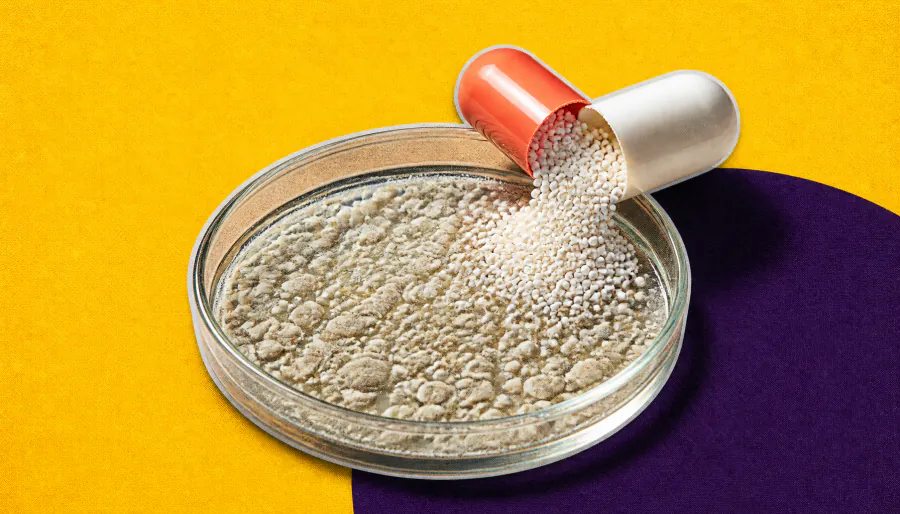
Cutting back on sweets while on antibiotics could protect your gut. A major five-year study found that eating more sugar during antibiotic treatment significantly worsens disruption to the gut microbiome and fuels the growth of dangerous bacteria like Enterococcus faecium. Researchers say reducing simple sugars during and after antibiotic use could be a simple, low-risk way to limit the collateral damage.
A large five-year observational study published in Nature has found that eating more sugar while on antibiotics significantly worsens the disruption those drugs cause to the gut microbiome. Researchers from NYU Langone Health, Memorial Sloan Kettering Cancer Center, and City of Hope tracked 9,419 meals eaten by 173 hospitalized blood cancer patients, pairing detailed dietary records with daily stool samples to monitor microbiome changes.
The findings showed that for every additional 100 grams of sugar consumed after antibiotic exposure, there was an additional 21–24% decline in alpha diversity — a key measure of healthy bacterial variety in the gut. Sugary diets also appeared to fuel the growth of Enterococcus faecium, a drug-resistant opportunistic pathogen linked to serious hospital-acquired infections. Mouse experiments corroborated the findings, showing a 33-fold increase in gut Enterococcus by day six in animals given both antibiotics and a high-sucrose diet.
By the Numbers
Why it matters: Antibiotic-induced microbiome disruption is linked to worse outcomes in cancer patients, including higher mortality and increased infection risk. These findings suggest a simple dietary tweak — cutting back on sweets during and after antibiotic treatment — could help protect the gut. Clinical trials are still needed to confirm causality, but researchers say the evidence is compelling enough to warrant further investigation.