Curie Brief
Turn on cookies to sign in
Signing in saves your progress to your Curie account. We can only do that with cookies on — turn them on to continue.
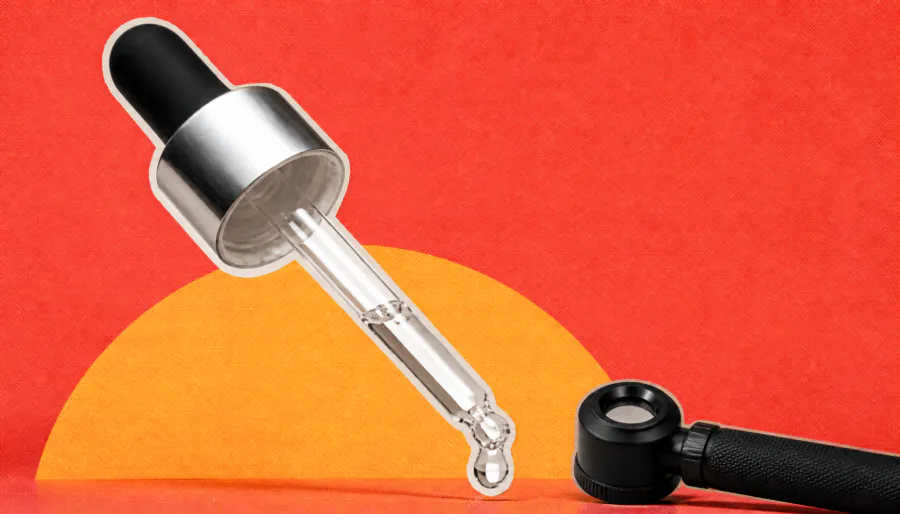
Viral Korean skincare content on TikTok is almost universally unreliable, with nearly 95% of top videos rated low quality and none produced by dermatologists. A new study found 94.7% of evaluated videos contained at least one misleading claim, with safety disclosures nearly absent. Experts say the gap between social media popularity and evidence-based skincare guidance is a growing concern.
The viral Korean "glass skin" aesthetic — think dewy, translucent, flawless skin — has taken TikTok by storm, but a new study presented at the European Academy of Dermatology and Venereology (EADV) Congress reveals a troubling reality: nearly all of the top videos promoting these routines are unreliable, misleading, and dangerously light on safety information.
Researchers analyzed 38 top-performing TikTok videos across search terms like "glass skin," "Korean skincare," and "KBeauty skincare." The findings were stark — 100% of videos were classified as "unreliable" or "less reliable" using the modified DISCERN tool, and not a single video was created by a dermatologist. The most common misleading tactics included ignoring individual skin type, pushing excessive active ingredient combinations, and promising instant results.
By the Numbers:
Why it matters: When millions of people turn to social media for skincare advice before ever seeing a dermatologist, the quality of that content has real health consequences. Researchers are calling on dermatologists to engage more actively online — not to dismiss trends, but to help patients separate inspiration from evidence-based guidance.