Curie Brief
Turn on cookies to sign in
Signing in saves your progress to your Curie account. We can only do that with cookies on — turn them on to continue.
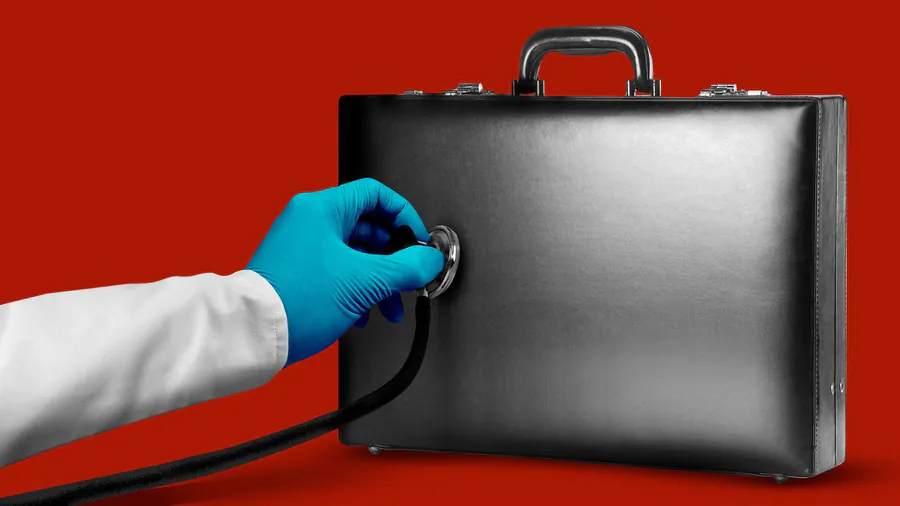
As AI becomes embedded in healthcare, experts are raising alarms about "deskilling" — the gradual erosion of clinicians' core abilities from over-relying on AI tools. A 2025 study found adenoma detection rates dropped when AI was removed from colonoscopy workflows, hinting at real patient safety consequences. Experts are calling for stronger governance, AI-free training zones, and mandatory AI literacy in medical education.
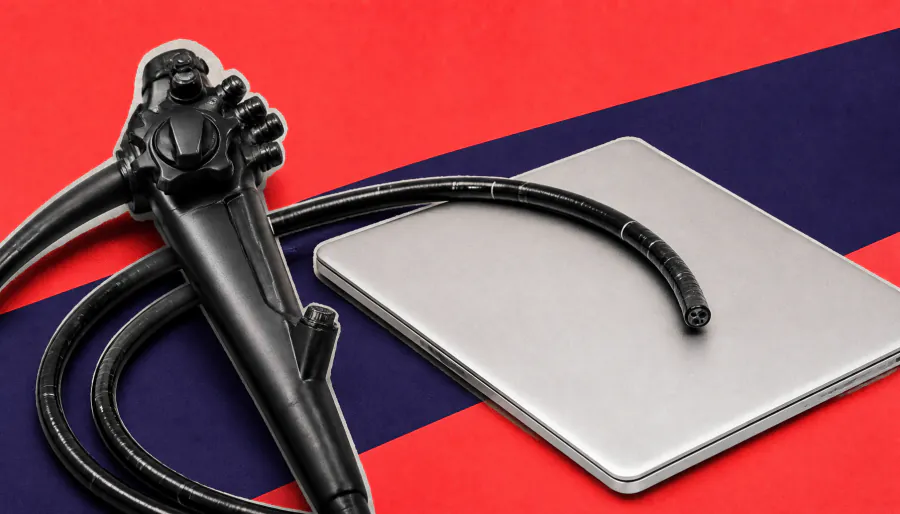
As AI tools become standard in hospitals and clinics — helping with diagnoses, documentation, and decision-making — a growing chorus of healthcare leaders is sounding the alarm about "deskilling": the risk that clinicians may gradually lose core competencies by leaning too heavily on AI. The concern isn't hypothetical. A 2025 study in The Lancet Gastroenterology & Hepatology found that adenoma detection rates during colonoscopies dropped after AI was introduced, suggesting clinicians may be losing their edge when the tech is removed.
Experts warn the stakes are highest in high-volume, pattern-heavy specialties like radiology, endoscopy, pathology, and cardiology — and in critical care settings where split-second decisions can mean life or death. There's also a "never-skilling" risk: medical trainees who rely on AI from day one may never fully develop foundational clinical skills.
Key Takeaways:
Why it matters: If clinicians can't perform without AI — and AI goes offline during a cyberattack or system failure — patient safety hangs in the balance. Getting governance right now is critical.