Curie Brief
Turn on cookies to sign in
Signing in saves your progress to your Curie account. We can only do that with cookies on — turn them on to continue.
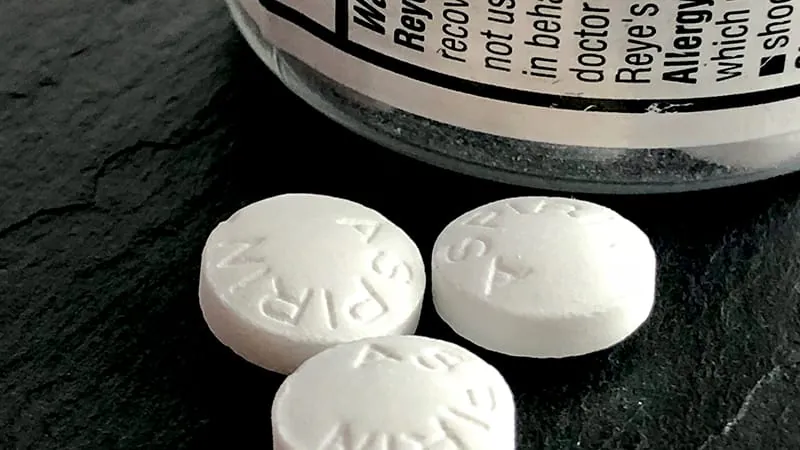
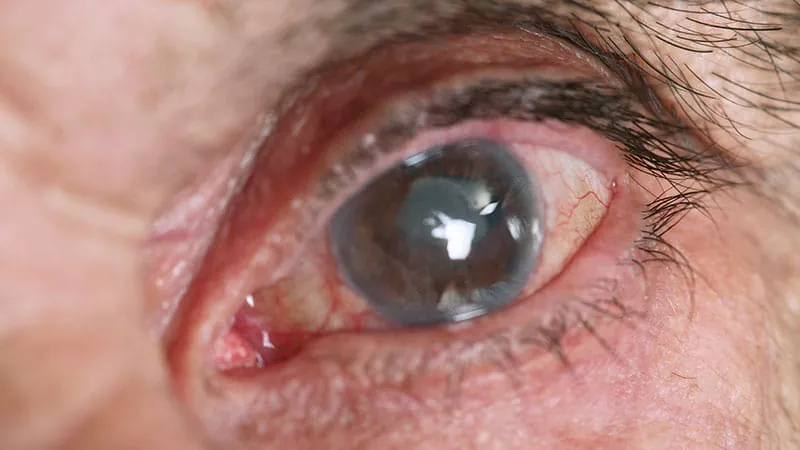
Stopping aspirin before eye surgery may do more harm than good. A new meta-analysis of ~2,900 patients found that continuing aspirin during vitreoretinal surgery did not significantly raise the risk of bleeding-related eye complications. Experts say the real danger may lie in stopping it — potentially exposing patients to strokes or heart attacks.
For decades, surgeons have routinely told patients to stop aspirin before going under the knife. But a new meta-analysis presented at EURETINA 2026 in Vienna suggests that for vitreoretinal surgery, that reflex may be doing more harm than good.
The analysis — covering seven studies and roughly 2,900 patients — found no statistically significant increase in five key bleeding-related eye complications (hyphema, subconjunctival, subretinal, choroidal, and retinal hemorrhage) among patients who stayed on aspirin. Visual acuity outcomes post-surgery were also unaffected.
That said, experts urge caution. Confidence intervals were wide, meaning a clinically meaningful increase in bleeding risk can't be fully ruled out. The takeaway isn't "aspirin is risk-free" — it's that routine discontinuation isn't backed by current evidence, and the risks of stopping (stroke, MI, stent thrombosis) are well-documented and serious.
Key Takeaways:
Why it matters: Many vitreoretinal surgery patients are older adults on aspirin for cardiovascular protection. Blanket discontinuation policies could expose them to life-threatening systemic events — making this evidence a critical prompt for more nuanced, multidisciplinary pre-op planning.