Curie Brief
Turn on cookies to sign in
Signing in saves your progress to your Curie account. We can only do that with cookies on — turn them on to continue.
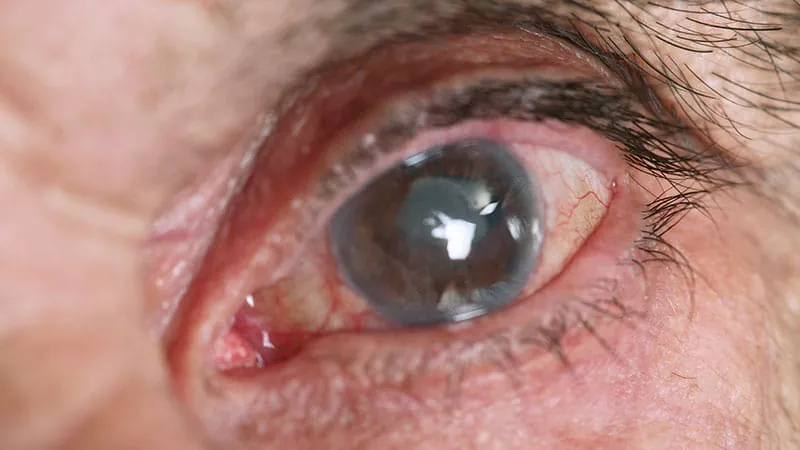
Ocular surface disease persists in long-term dupilumab users. A Dutch study found that over 90% of adults with atopic dermatitis had eye surface disease before and after 2+ years on dupilumab, with more than 1 in 5 experiencing worsening linked to the drug. Clinicians are urged to keep monitoring eye health throughout treatment — not just in the early weeks.
Dupilumab is a go-to biologic for moderate-to-severe atopic dermatitis (AD), but a new study suggests its ocular side effects may be more persistent than previously appreciated. Researchers in the Netherlands tracked 44 adults on dupilumab for a median of nearly 3 years, finding that ocular surface disease (OSD) was nearly universal — present in over 90% of patients at the start and still just as common after 2+ years of treatment.
What's more concerning: 22.7% of patients developed worsening OSD consistent with dupilumab-associated disease, with some cases emerging after the first 28 weeks — a window that's often the focus of early monitoring. Tear film stability declined significantly over time, while tear production paradoxically increased, and goblet cell counts dropped, pointing to ongoing changes in eye surface biology.
Key Takeaways
Why it matters: These findings challenge the assumption that dupilumab-related eye issues are an early, self-limiting concern. Dermatologists and allergists prescribing dupilumab should consider ongoing ophthalmologic monitoring as a standard part of long-term AD management.