Curie Brief
Turn on cookies to sign in
Signing in saves your progress to your Curie account. We can only do that with cookies on — turn them on to continue.
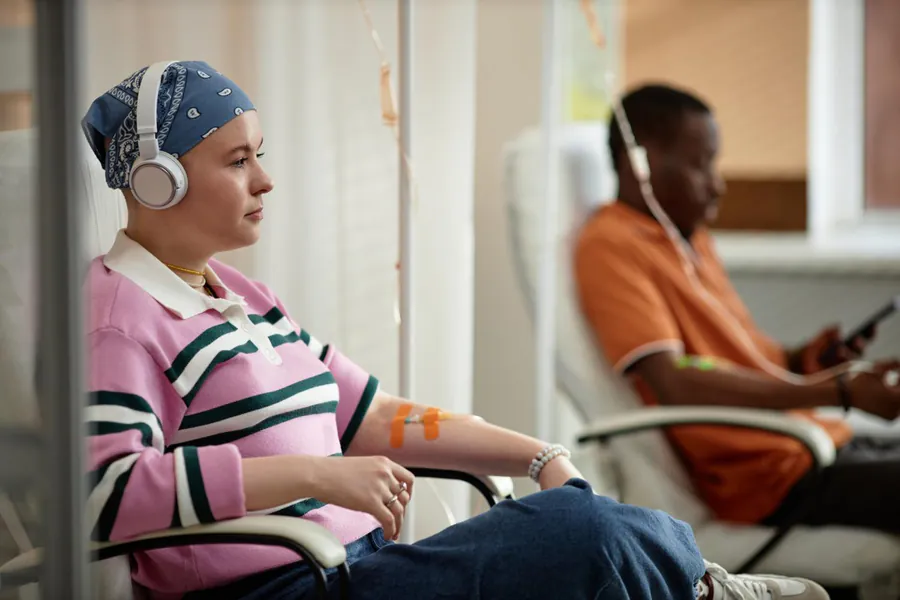
That lingering tiredness after breast cancer chemo? It's real — and it's largely driven by mental health, not heart function. A new study found that over a third of breast cancer patients reported increased fatigue two years post-chemotherapy, with depression and stress as the strongest drivers. Surprisingly, heart function — a commonly suspected culprit — showed no significant link to fatigue.
That post-chemo exhaustion breast cancer patients describe? A new cohort study confirms it's very real — and it's lasting. Published in JAMA Network Open, the study of nearly 400 women found that 34.6% of those who received chemotherapy reported increased fatigue two years after treatment, significantly more than those on aromatase inhibitors alone or a cancer-free control group.
The surprising twist: the usual suspects — heart dysfunction, anemia, BMI, diabetes, and hypertension — weren't significantly associated with fatigue. Instead, depression and stress at the two-year mark emerged as the dominant drivers, alongside pre-treatment fatigue levels. Researchers noted that psychological distress often begins during cancer treatment and continues well beyond it.
By the Numbers:
Why it matters: Clinicians often run cardiac and metabolic workups when patients report fatigue — and come up empty. This study signals a need to screen for depression and stress early and consistently, and to develop targeted interventions, especially for patients in rural or underserved communities with limited access to mental health support.