Curie Brief
Turn on cookies to sign in
Signing in saves your progress to your Curie account. We can only do that with cookies on — turn them on to continue.
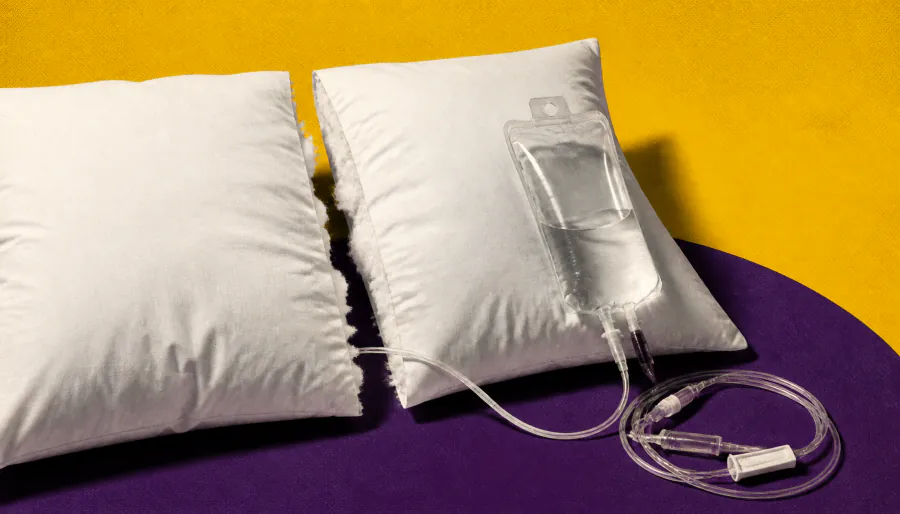
Sleep fragmentation — not sleep duration — is linked to worse cognitive performance in breast cancer survivors. A new study found that each extra 10 minutes of wakefulness after falling asleep was tied to meaningfully lower verbal learning and memory scores. Targeting sleep continuity may be a key strategy for addressing cancer-related cognitive dysfunction.
For breast cancer survivors already grappling with "chemo brain," a new study adds an important piece to the puzzle: it's not how long you sleep, but how well you sleep that matters most for cognitive health. Published in JNCI Cancer Spectrum, the research found that disrupted sleep continuity — not total sleep time — was significantly associated with worse objective cognitive performance in breast cancer survivors reporting both insomnia and cognitive difficulties.
The study followed 158 survivors (mean age 57.2 years) who tracked their sleep via diary and smartwatch for 7 days. Researchers measured cognitive function using the Hopkins Verbal Learning Test–Revised (HVLT-R) delayed recall score.
By the Numbers:
Why it matters: Cancer-related cognitive dysfunction affects a significant portion of breast cancer survivors and can impair daily functioning. These findings suggest that interventions targeting sleep fragmentation — rather than just sleep duration — could be a practical, actionable way to protect cognitive health in this population.