Curie Brief
Turn on cookies to sign in
Signing in saves your progress to your Curie account. We can only do that with cookies on — turn them on to continue.
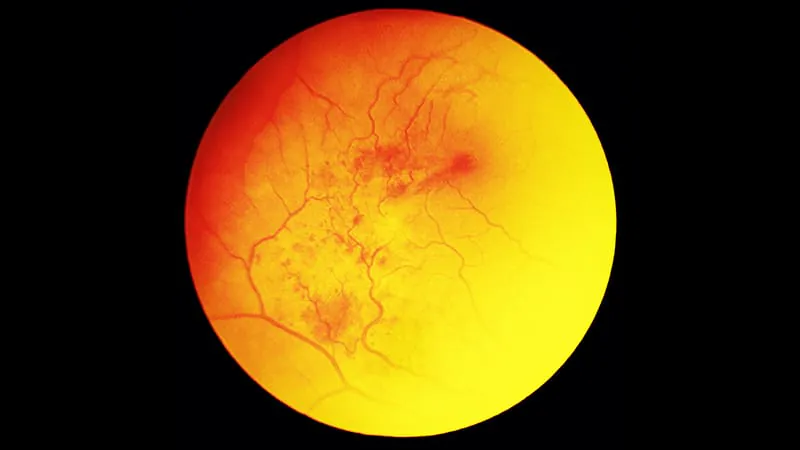
Growing lawsuits are pushing for NAION warnings on GLP-1 drug labels. More than 15 months after European regulators flagged nonarteritic anterior ischemic optic neuropathy (NAION) as a very rare side effect of semaglutide, US labels for Ozempic and Wegovy still carry no such warning. Experts urge awareness without panic, while litigation continues to mount.
Over 15 months after European regulators flagged nonarteritic anterior ischemic optic neuropathy (NAION) — a rare condition sometimes called an "eye stroke" — as a very rare side effect of semaglutide, US labels for Ozempic and Wegovy still contain no such warning. Plaintiffs' attorneys argue this gap leaves clinicians and patients without a critical signal, especially for those with smaller-than-average optic discs who may be at heightened risk. Meanwhile, Novo Nordisk and Eli Lilly maintain that top ophthalmology organizations have not established causation.
Ophthalmologists advise raising awareness without causing alarm — patients should not stop GLP-1 therapy but should discuss concerns with their physicians. The American Academy of Ophthalmology and the North American Neuro-Ophthalmology Society noted in a May joint statement that research findings remain mixed, with some studies suggesting a small increased risk and others finding no association.
By the Numbers:
Why it matters: With GLP-1 prescriptions surging globally, even a rare adverse event could affect a significant number of patients. Clinicians — especially ophthalmologists — should be proactive in screening and counseling patients on this evolving risk, while regulators and courts work toward clearer guidance.