Curie Brief
Turn on cookies to sign in
Signing in saves your progress to your Curie account. We can only do that with cookies on — turn them on to continue.
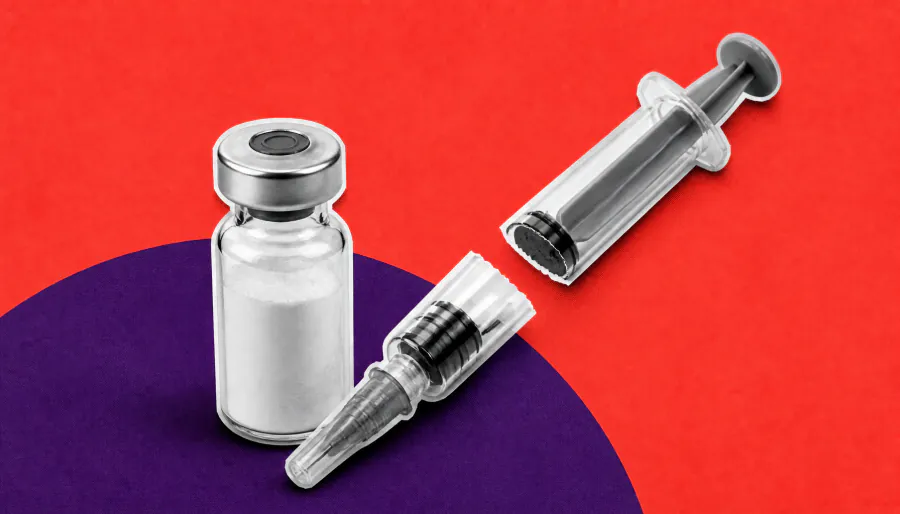
With Bicillin L-A still in short supply, a Portuguese alternative called Lentocilin is stepping in as a temporary fix. The FDA has allowed its importation under a special regulatory pathway, but it comes with key differences clinicians need to know. From reconstitution requirements to soy allergy warnings, using Lentocilin isn't as simple as swapping one syringe for another.
The ongoing U.S. shortage of Bicillin L-A — the gold-standard treatment for syphilis and rheumatic fever prevention — has pushed clinicians and public health departments to find alternatives. Enter Lentocilin, a benzathine penicillin product manufactured in Portugal and now temporarily importable in the U.S. via FDA regulatory discretion through Mark Cuban's Cost Plus Drug Company. It's not FDA-approved, but it's therapeutically equivalent to Bicillin for shortage-related uses.
That said, Lentocilin isn't a plug-and-play swap. Unlike Bicillin's prefilled syringe, Lentocilin comes as a powder that must be reconstituted with a lidocaine-containing diluent immediately before use — and at twice the volume. It also contains soy phospholipids, raising allergy concerns, and requires filter needles during prep to prevent glass contamination. Institutions rolling it out have had to overhaul EMR workflows, train staff, and implement patient consent processes given its non-approved status.
Key Takeaways
Why it matters: With syphilis rates — including congenital syphilis — at historic highs, and penicillin being the only recommended treatment during pregnancy, maintaining access to benzathine penicillin therapy is a critical public health priority. Lentocilin offers a vital bridge, but only if clinicians are prepared to use it safely.