Curie Brief
Turn on cookies to sign in
Signing in saves your progress to your Curie account. We can only do that with cookies on — turn them on to continue.

A Russian lab worker's death from severe pneumonia has triggered a global health alert over a possible pneumonic plague case. WHO assessed the risk as "very low" outside Russia, while the U.S. and Europe are closely monitoring the situation. Experts say the bacteria doesn't spread easily and antibiotics are effective — but calls for greater Russian transparency are growing louder.
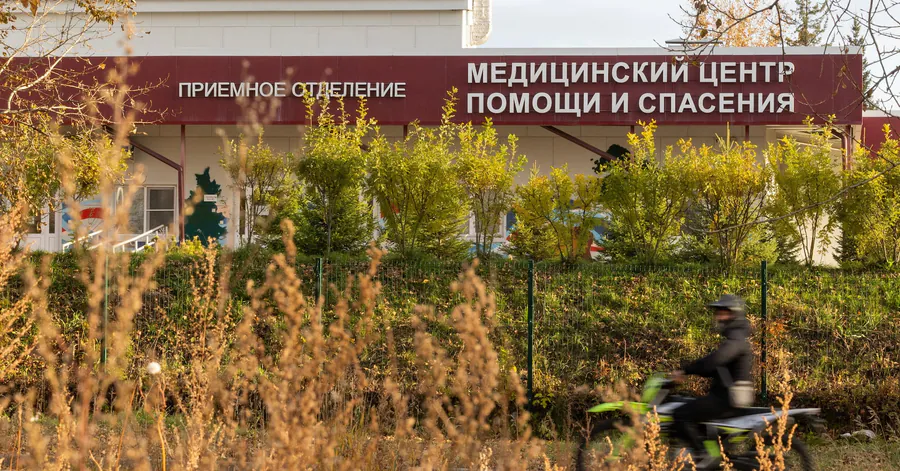
A woman who worked at Russia's Irkutsk Anti-Plague Research Institute of Siberia and the Far East died in late September after developing severe pneumonia, sparking international concern over a possible pneumonic plague case. Russian media reported she may have broken a test tube containing plague bacteria, though Russian authorities deny any lab accident involving dangerous pathogens occurred. About 200 contacts were placed under medical observation, and five medical facilities — including a children's hospital and a maternity ward — were quarantined.
WHO assessed the overall risk as "moderate-to-low" for the Irkutsk region, "low" for Russia as a whole, and "very low" for the broader European region. Experts note that pneumonic plague, while deadly if untreated, does not spread easily — requiring close face-to-face contact — and responds well to commonly available antibiotics when caught early. The U.S. State Department and White House are monitoring the situation, with Secretary of State Rubio urging Russia to share more information.
Key Takeaways:
Why it matters: The incident has drawn inevitable comparisons to the early days of COVID-19, raising questions about lab safety and transparency. While experts say the risk of a widespread outbreak is low, the lack of clear information from Russia is fueling global concern — and a familiar debate about the importance of open, timely communication during potential infectious disease events.