Curie Brief
Turn on cookies to sign in
Signing in saves your progress to your Curie account. We can only do that with cookies on — turn them on to continue.
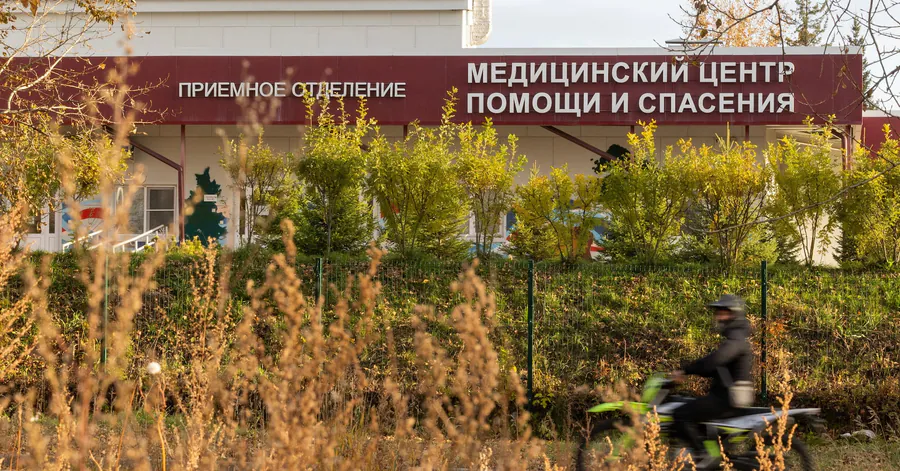
A 28-year-old lab worker at a Siberian plague research institute died on October 2 under unclear circumstances, prompting authorities to quarantine ~200 people. Russian officials say she died of pneumonia of unknown origin, and no plague cases have been confirmed among her contacts. The WHO has assessed the risk to the general public as low.
A 28-year-old laboratory worker named Darya Shipilova, employed at the Irkutsk Anti-Plague Research Institute of Siberia and the Far East, died on October 2 under murky circumstances, setting off a wave of public alarm and prompting Russian authorities to quarantine approximately 200 people. Officials say she died of pneumonia of unknown origin, and Russia's health watchdog, Rospotrebnadzor, confirmed that extensive testing found no dangerous pathogens — including plague — among her contacts or in her own body linked to her work.
Multiple unverified theories circulated on social media — from a dropped test tube of live bacteria to travel-related exposure in Thailand or near the Mongolian border — but none have been substantiated. About 60% of those initially quarantined have since been released, and Russia officially told the WHO that no plague cases have been recorded in Irkutsk. Public health experts are urging calm, noting this remains an isolated incident with no confirmed dangerous diagnosis.
By the Numbers:
Why it matters: In a post-COVID world, any unexplained death at a pathogen research facility triggers outsized public anxiety. While current evidence points away from a plague outbreak, the lack of transparency from Russian authorities and the unresolved cause of death keep international health agencies — and the public — on alert.