Curie Brief
Turn on cookies to sign in
Signing in saves your progress to your Curie account. We can only do that with cookies on — turn them on to continue.
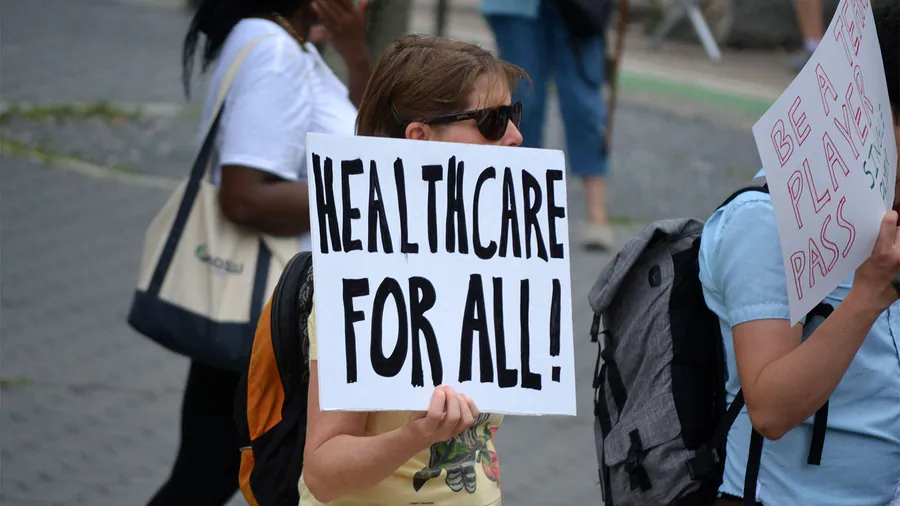
Oregon is closer than any other state to launching a universal healthcare system. A state board is set to deliver a single-payer proposal to lawmakers by December 1, with a potential vote in 2027 or a ballot measure in 2028. If approved, Oregon would become the first U.S. state to implement a true single-payer system — and could serve as a national model.
Oregon is on the verge of making U.S. healthcare history. A nine-member Universal Health Plan Governance Board, created by the state legislature in 2023, is set to deliver a comprehensive single-payer proposal to lawmakers by December 1. The plan would provide medical, vision, dental, and mental health coverage to every Oregon resident starting in 2032 — with no premiums, deductibles, or copays. Lawmakers could vote on it in 2027 or send it to voters as a ballot measure in 2028.
The proposal would replace insurance premiums and out-of-pocket costs with new corporate and personal taxes, pooled with existing federal and state spending into one unified fund. Supporters argue the plan would cut administrative waste, reduce medical debt, and stabilize rural hospitals. But opposition is expected to be fierce — from hospital systems, insurers, and specialists who fear payment disruptions.
By the Numbers:
Why it matters: Oregon's push could be a watershed moment for U.S. healthcare. If successful, it may inspire California, New York, and Washington — all exploring similar plans — and build the political momentum needed for national reform.