Curie Brief
Turn on cookies to sign in
Signing in saves your progress to your Curie account. We can only do that with cookies on — turn them on to continue.
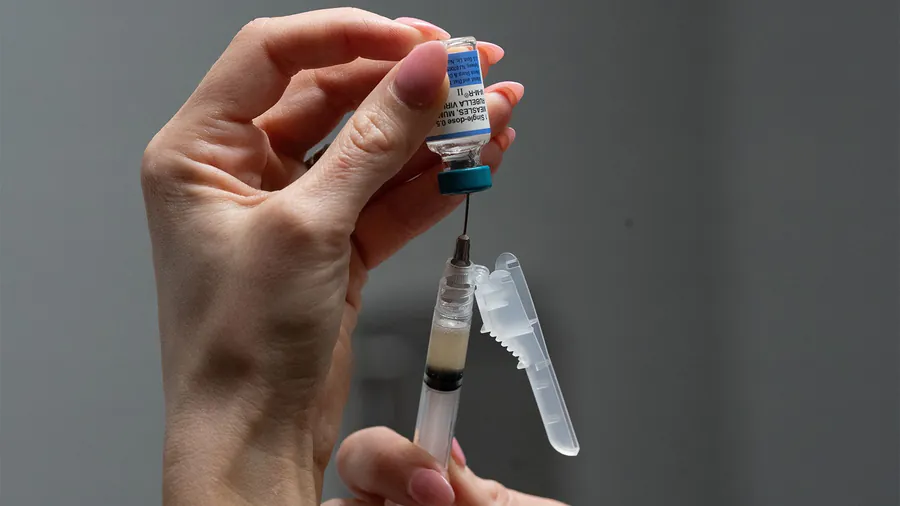
Pennsylvania has confirmed 1,004 measles cases in 2026, making it the largest state outbreak in over three decades. With nearly 3,900 cases nationwide, the U.S. is having its worst measles year since 1991. Experts warn the country may soon lose its measles-free status, and low vaccination rates are driving the surge.
Pennsylvania has crossed the grim milestone of 1,000 measles cases in 2026 — the largest state outbreak in more than 35 years — with 198 hospitalizations and five deaths, all in unvaccinated individuals. The outbreak, which began west of Philadelphia in April, is unusually skewed toward adults: 69% of those infected are adults, with the largest case counts among people aged 25–49. Experts like Dr. Paul Offit suggest the true case count could exceed 5,000, since milder cases — especially in Pennsylvania's Amish communities — often go unreported.
Nationally, the U.S. has recorded nearly 3,900 measles cases in 2026, the most since 1991, with cases confirmed in 45 states plus Washington, D.C. New York's governor declared a disaster emergency in response, expanding who can administer vaccines and order testing. In November, international health officials will assess whether the U.S. has lost its measles-free status, which it achieved in 2000.
By the Numbers
Why it matters: Falling vaccination rates have allowed one of the world's most contagious viruses to resurge dramatically. With the U.S. potentially losing its measles-eliminated status and experts warning measles may now be endemic, the outbreak is a stark reminder of what happens when public trust in vaccines erodes.