Curie Brief
Turn on cookies to sign in
Signing in saves your progress to your Curie account. We can only do that with cookies on — turn them on to continue.
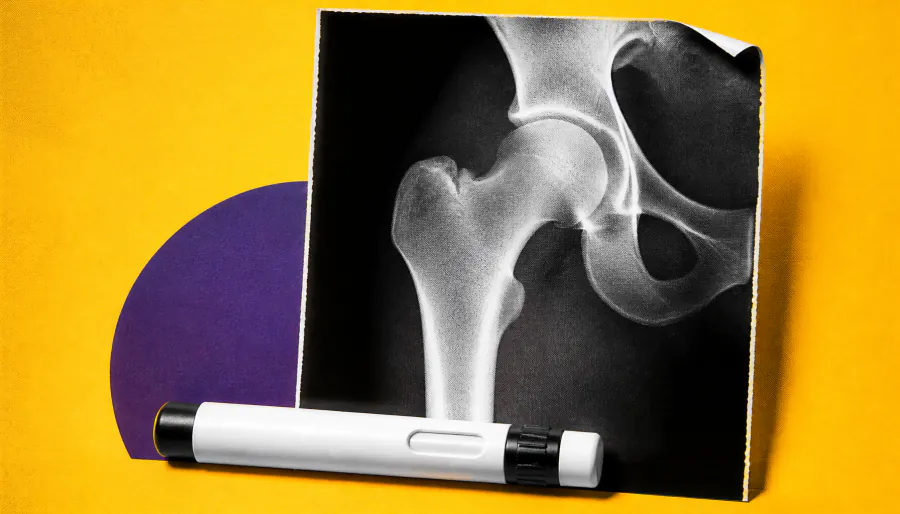
Bone loss in women doesn't wait for old age — and neither should screening. A rheumatology expert is urging clinicians to start osteoporosis prevention and management at perimenopause, warning that waiting until age 65 for bone density assessment is simply too late. Up to 30% of women already meet osteoporosis criteria before they hit 65.
Bone loss in women doesn't wait for old age — and neither should screening. At the Congress of Clinical Rheumatology West, Dr. Michael McClung, founding director of the Oregon Osteoporosis Center, made a compelling case for shifting osteoporosis prevention to perimenopause. He noted that a large share of bone loss occurs in the years just before and after the final menstrual period, and that up to 30% of women already meet osteoporosis criteria by bone density standards before age 65.
McClung emphasized that low body weight and low bone mineral density at menopause are the strongest early predictors of fracture risk later in life. He recommended DXA testing for at-risk peri- and postmenopausal women — not just those 65 and older — and called for a personalized, lifelong "life plan" for every patient.
Key Takeaways:
Why it matters: Osteoporosis has no cure, and the window for meaningful prevention is earlier than most guidelines suggest. Catching and treating low bone density at perimenopause could prevent a significant number of fractures — and the disability and mortality that often follow.