Curie Brief
Turn on cookies to sign in
Signing in saves your progress to your Curie account. We can only do that with cookies on — turn them on to continue.
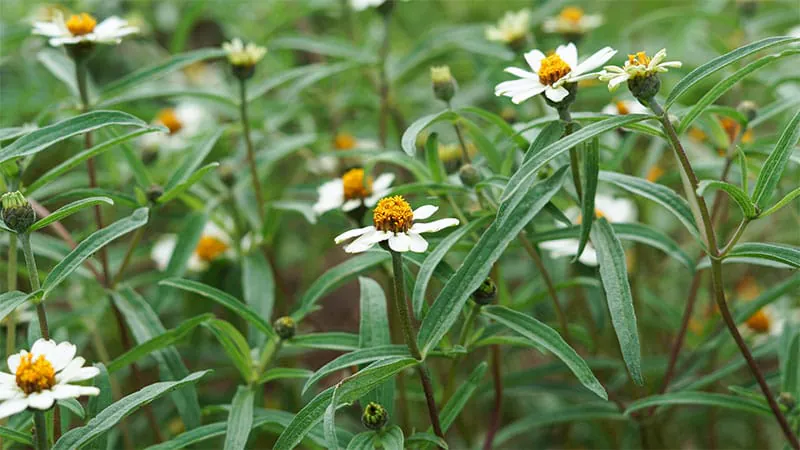
Living close to greenery could lower your dementia risk. A 16-year Swedish study found that older adults living within 100 meters of vegetation had a 21% lower risk of developing dementia — with the benefit being especially pronounced in women. The effect faded at greater distances, suggesting proximity really does matter.
A large Swedish study spanning 16 years has found that living close to green spaces — think parks, trees, and vegetation within about a football field's distance — is linked to a meaningfully lower risk of dementia in older adults. The research tracked nearly 3,000 dementia-free adults aged 60 and older from 2001 to 2018, finding that 477 participants eventually developed dementia.
The protective effect was most pronounced for greenery within 100 meters of a home, and notably stronger in women than men. Interestingly, green spaces at larger distances (250 or 500 meters) showed no significant benefit, suggesting that immediate surroundings are what count.
Why it matters: These findings give urban planners and policymakers a compelling reason to prioritize greenery in residential neighborhoods — not just for aesthetics or air quality, but as a potential tool for protecting cognitive health in aging populations.