Curie Brief
Turn on cookies to sign in
Signing in saves your progress to your Curie account. We can only do that with cookies on — turn them on to continue.
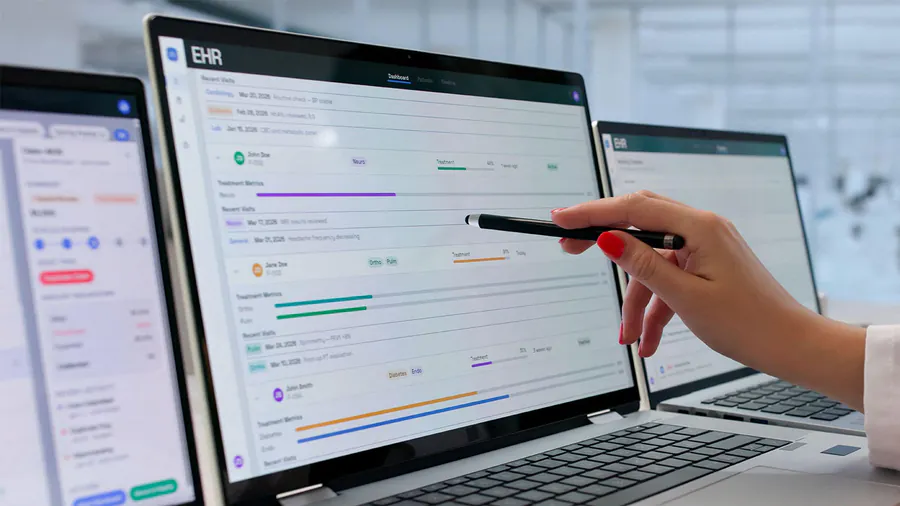
Healthcare dashboards are everywhere, but are they actually helping? Dr. Fred Pelzman argues that today's quality and administrative dashboards overwhelm providers with data at the wrong time and in the wrong format. He calls for a reimagining of these tools into dynamic, actionable systems that deliver the right nudge to the right patient — and actually follow through.
Healthcare providers are drowning in dashboards. From patient access metrics and billing data to quality improvement scores and e-competency reports, electronic medical records are packed with data — but Dr. Fred Pelzman argues that most of it arrives at the wrong time, in the wrong format, and without any real mechanism to act on it. The result? More stress, less impact.
The core problem, Pelzman writes, is that dashboards are built as reporting tools, not action tools. Providers are told what percentage of their patients have uncontrolled diabetes or missed cancer screenings, but often receive this information when they're not face-to-face with those patients and can't do anything about it. Meanwhile, the root causes — patients who can't afford medications, lack access to healthy food, or have gaps in health literacy — go unaddressed.
His prescription: rebuild dashboards into "living and breathing" systems that deliver timely, personalized nudges and actually follow through to ensure patients get their medications, vaccines, and screenings.
Key Takeaways:
Why it matters: As healthcare systems invest heavily in digital infrastructure, the design of clinical dashboards directly affects provider burnout and patient outcomes. Smarter, more actionable tools could be a meaningful lever for closing care gaps at scale.