Curie Brief
Turn on cookies to sign in
Signing in saves your progress to your Curie account. We can only do that with cookies on — turn them on to continue.
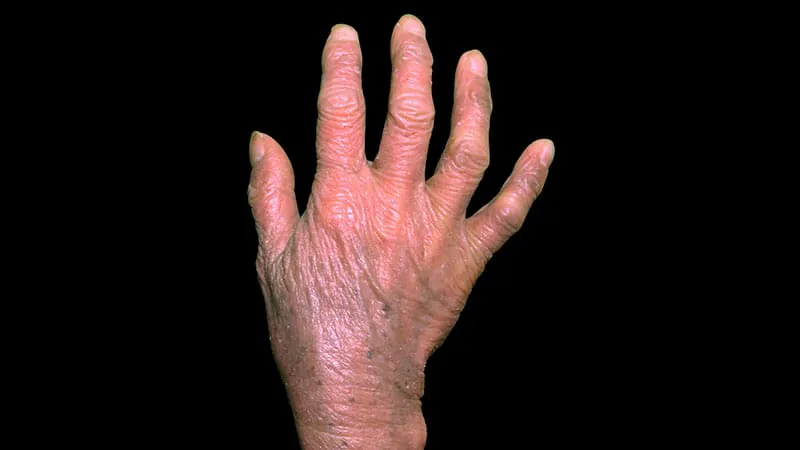
A global study tracking 2,000+ patients with mycosis fungoides and Sézary syndrome finds that combining and sequencing therapies can deliver up to 20 months of progression-free survival. Extracorporeal photopheresis led the pack for durability, while newer targeted agents like mogamulizumab and brentuximab vedotin showed strong response rates. The findings highlight the continued importance of dermatologist-led care even in advanced disease stages.
A large global registry study is shedding new light on how to best treat mycosis fungoides (MF) and Sézary syndrome (SS) — two rare but serious cutaneous T-cell lymphomas. Data from the PROCLIPI registry, which spans six continents and follows over 2,000 patients (509 with advanced-stage disease), show that combining and sequencing available therapies can push the time to next treatment into the 18–20 month range — a meaningful win for a disease with no accepted standard of care.
Among first-line options, extracorporeal photopheresis (ECP) delivered the longest median time to next therapy at 19 months, while gemcitabine posted the highest response rate at 78%. Combination regimens consistently outperformed monotherapy — for example, ECP in combination extended time to next treatment from 14.6 to 20.3 months. In the second-line setting, mogamulizumab led with a 79% response rate, and ECP again topped durability charts at 19.3 months.
Key Takeaways:
Why it matters: With no standard of care established for advanced MF/SS, real-world sequencing data like these are critical for guiding clinicians. The findings reinforce that dermatologists should remain central to care even in advanced stages, and that smarter sequencing — not just drug selection — can meaningfully extend patient outcomes.