Curie Brief
Turn on cookies to sign in
Signing in saves your progress to your Curie account. We can only do that with cookies on — turn them on to continue.
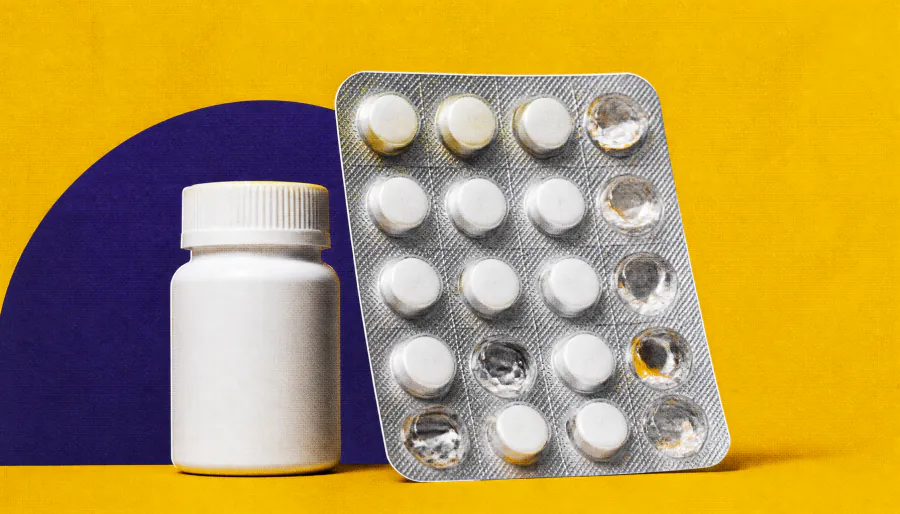
More than one-third of older U.S. adults were on five or more prescription medications between 2021 and 2023, up from 2015–2016 levels, according to a new JAMA study. While dangerous drug-drug interactions slightly declined overall, polypharmacy involving dietary supplements also crept up. Researchers say antidepressants remain the most common culprit in potentially harmful drug combinations.
A new study published in JAMA reveals that polypharmacy — the concurrent use of multiple prescription medications — is becoming more common among older Americans. Analyzing data from nearly 5,000 adults aged 62 to 85, researchers found that prescription polypharmacy rose from 31% in 2015–2016 to nearly 36% in 2021–2023. Supplement-related polypharmacy also increased, while over-the-counter medication use dipped slightly.
On a brighter note, the prevalence of potentially major drug-drug interactions (DDIs) declined modestly over the same period, largely driven by fewer dangerous combinations involving opioids and benzodiazepines. However, interacting regimens involving muscle relaxants increased — flagging a new area of concern worth watching.
By the Numbers:
Why it matters: With millions of older adults managing multiple chronic conditions, polypharmacy is a growing patient safety challenge. Experts are calling for targeted efforts — especially around antidepressant combinations — to reduce preventable harm in this vulnerable population.